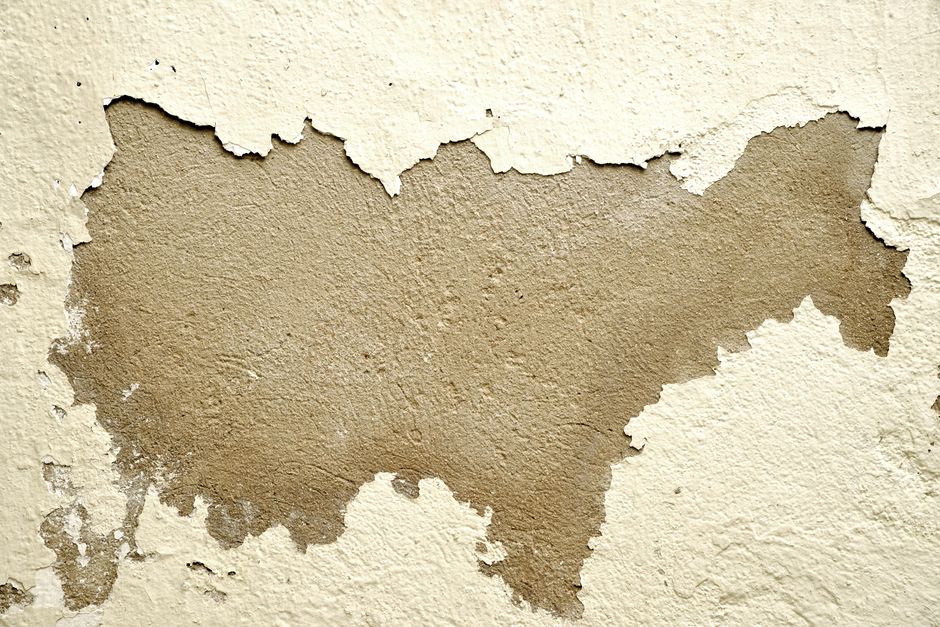
Housing Disrepair, Damp and Mould: Your Rights in Bassetlaw
Tenants and landlords in Bassetlaw are covered by the same statutory framework as the rest of England, meaning that tenants have clear rights to live in a property that's fit for human habitation. This guide explains what you need to know about disrepair issues such as damp and mould and how recent changes under Awaab's Law strengthen your position.
In 2026, housing disrepair has become an urgent issue due to ongoing challenges with maintenance backlog and the rising number of properties falling into a state of disrepair. The impact of these conditions on health is significant. Especially for vulnerable groups such as children, elderly residents, and those with respiratory issues. Given that Bassetlaw faces similar pressures to other areas in England. It's important for tenants to understand their rights and how to enforce them effectively.
What the Law Says
The Landlord and Tenant Act 1985 (Section 11) sets out the legal duties of landlords regarding repairs and maintenance. This means that landlords are required by law to keep common parts of the building in good repair, including structural elements like roofs, walls, and floors. Additionally, the Homes (Fitness for Human Habitation) Act 2018 establishes minimum standards for all rented properties to be fit for human habitation, covering issues such as safety, hygiene, space, light, air quality, water supply, drainage, and sanitation.
The Renters' Rights Act 2025 further enforces these duties through Awaab's Law, which specifically addresses disrepair. Under Section 9 of the RRA 2025, landlords must ensure that their properties are maintained to a standard that prevents damp and mould from developing. These laws collectively provide tenants with strong protections against substandard living conditions.
How the Renters' Rights Act 2025 Changes This
The Renters' Rights Act 2025 introduces stricter requirements for landlords regarding disrepair, particularly concerning issues like damp and mould. Awaab's Law mandates that any complaints about such defects must be addressed within a prescribed timeframe to prevent harmful living conditions. Tenants are now legally entitled to receive updates on the progress of repairs and can escalate their concerns if they believe their landlord isn't fulfilling these obligations.
The Act also grants local authorities more power to intervene when landlords fail to act. This means that tenants in Bassetlaw have additional support from the council's environmental health team, who can step in to issue improvement notices or even initiate legal proceedings against negligent landlords.
What This Means for Tenants in Bassetlaw
Under statutory requirements, certain repairs are always the landlord's responsibility, including structural work on walls and ceilings, fixing heating systems and hot water tanks, and ensuring all electrical appliances are safe. Additionally, Awaab's Law under RRA 2025 provides specific timeframes for dealing with damp and mould issues. Landlords must address these problems promptly to avoid health risks; failure to do so could lead to legal action from tenants.
Tenants in Bassetlaw should familiarise themselves with their rights under the Renters' Rights Act 2025, which helps them to seek immediate repairs when disrepair affects their quality of life. If landlords fail to act within a reasonable time frame, tenants may be entitled to apply for legal remedies or even terminate the tenancy agreement if conditions remain unsatisfactory.
Your Next Steps if You Need Help in Bassetlaw
If you face disrepair issues in your rented property, start by documenting all problems clearly and contacting your landlord directly. Send any complaints via email or post with a copy to keep for yourself. If communication fails, reach out to free advice services like Citizens Advice or Shelter for guidance on how to proceed.
The Bassetlaw council housing team can also provide support and information about local procedures and regulations. They may help you understand whether your situation warrants intervention by an environmental health officer who can issue improvement notices if landlords neglect their duties.
Common Mistakes to Avoid
Tenants often make the mistake of not documenting issues thoroughly or failing to follow up with formal complaints via email or recorded post. Landlords, on the other hand, might overlook minor repairs that escalate into major problems over time. To avoid these pitfalls, ensure you maintain detailed records and follow established protocols when dealing with disrepair.
When to Get Professional Advice
While free advice services can provide initial guidance, some cases may require more specialised legal input from a regulated solicitor. If your situation is complex or involves significant financial implications. Consulting with a professional who understands tenant rights in Bassetlaw may be advisable. Always check directly with the relevant service or solicitor to understand your specific entitlements and options before taking further action.