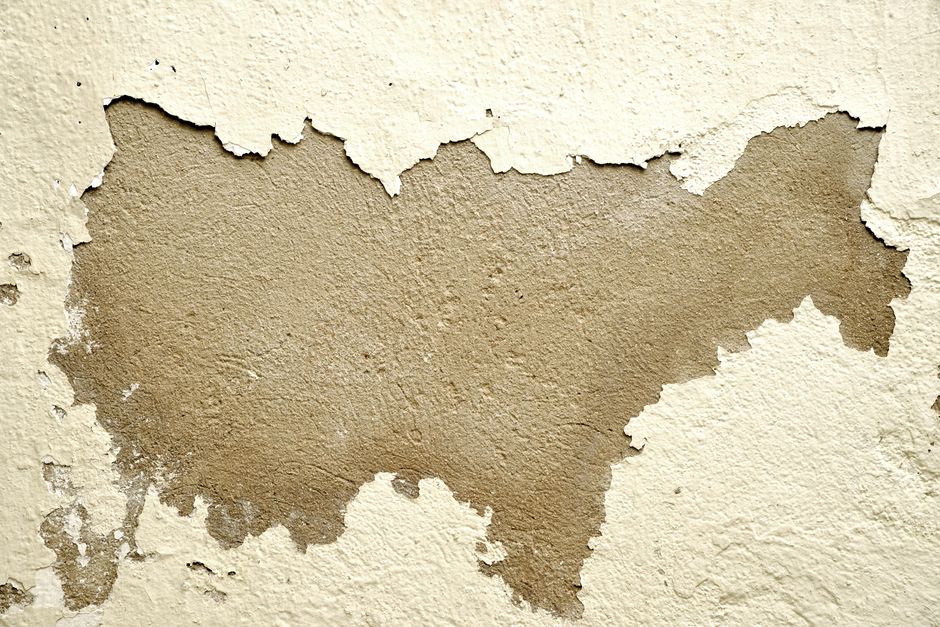
Housing Disrepair, Damp and Mould: Your Rights in Blackpool
Tenants and landlords in Blackpool are covered by the same statutory framework as the rest of England when it comes to housing disrepair. This guide provides an overview of your rights under current legislation and offers practical advice on what steps you can take if you experience issues with damp, mould, or other types of disrepair.
The tragic case of Awaab Ishak in 2015 highlighted the urgent need for stronger protections against unhealthy living conditions. As a result, the Renters' Rights Act 2025 introduced new measures to ensure that private renters are better protected from housing disrepair and poor living conditions, particularly damp and mould.
What the Law Says
The primary statute governing landlords' obligations is Section 11 of the Landlord and Tenant Act 1985. This section outlines the duty of care a landlord has towards their tenants to ensure that the property they rent out is fit for habitation and in good repair. The Homes (Fitness for Human Habitation) Act 2018 further reinforces this by setting specific standards for the quality and condition of rented homes, ensuring that they're suitable for human occupation.
The Renters' Rights Act 2025 specifically addresses disrepair issues through Awaab's Law, which mandates stricter deadlines and requirements for landlords to rectify problems affecting the habitability of a property. These changes aim to protect tenants from unhealthy living conditions by providing clearer guidelines on what constitutes disrepair and how quickly it must be addressed.
How the Renters' Rights Act 2025 Changes This
The key change introduced by the Renters' Rights Act 2025 is Awaab's Law, which places a stronger emphasis on landlord responsibilities regarding repairs. Under this law, landlords are required to address issues such as damp and mould within strict timeframes, typically 14 days for urgent cases like water leaks that could cause significant damage.
Awaab's Law also provides tenants with more strong legal avenues if their complaints go unaddressed. Blackpool allows tenants to seek remedies through the courts or local council authorities, ensuring quicker resolution of disrepair issues. This includes mandatory timeframes and penalties for landlords who fail to act within these deadlines. Thereby safeguarding tenant health and safety.
What This Means for Tenants in Blackpool
Under Section 11 of the Landlord and Tenant Act 1985 and Awaab's Law, tenants are entitled to expect their rented accommodation to be structurally sound, free from damp and mould, and generally fit for human habitation. If a tenant identifies issues such as cracked walls, leaking roofs, or persistent damp that affects health, these fall squarely under the landlord's responsibility.
Awaab's Law specifies strict timelines for landlords to address these concerns. For example, urgent repairs like water leaks must be fixed within 14 days of notification. Tenants should document all instances of disrepair and communicate them clearly to their landlord in writing, providing evidence such as photographs or a report from an environmental health officer.
Your Next Steps if You Need Help in Blackpool
If you encounter issues with housing disrepair in Blackpool, your first step is to notify the landlord formally. This should be done via email or letter and include all relevant documentation like photos or videos of the damage. If no action is taken within the stipulated timeframes under Awaab's Law, tenants may seek further assistance.
You can contact Citizens Advice for free legal advice on tenant rights and obligations. Shelter also offers full guidance and support tailored to Blackpool residents facing housing disrepair issues. Additionally, the council's environmental health team can provide expert opinions and potentially issue improvement notices if conditions are severe enough.
Common Mistakes to Avoid
Tenants often make the mistake of not documenting disrepair adequately or failing to follow up with their landlord formally in writing. Another common oversight is neglecting to seek help from a professional early on. Leading to prolonged issues that affect health and well-being. Landlords may also err by ignoring complaints or attempting to fix issues without proper expertise.
To avoid these pitfalls, tenants should maintain detailed records of all communications with landlords regarding disrepair. It's important to keep copies of any letters sent and responses received, along with evidence such as photographs or inspection reports from professionals like environmental health officers.
When to Get Professional Advice
While free advice services can provide valuable support, tenants may need more specific legal guidance tailored to their situation. If your case is complex or you're facing eviction due to disrepair issues, consulting a regulated solicitor who specialises in housing law might be necessary. You can find such professionals through the Law Society's directory.
Check with a solicitor or Shelter for advice on whether professional representation would benefit your particular circumstances. They may also help draft formal letters and legal claims if required. Always remember that getting professional help doesn't guarantee outcomes but may increase your chances of resolving issues effectively.