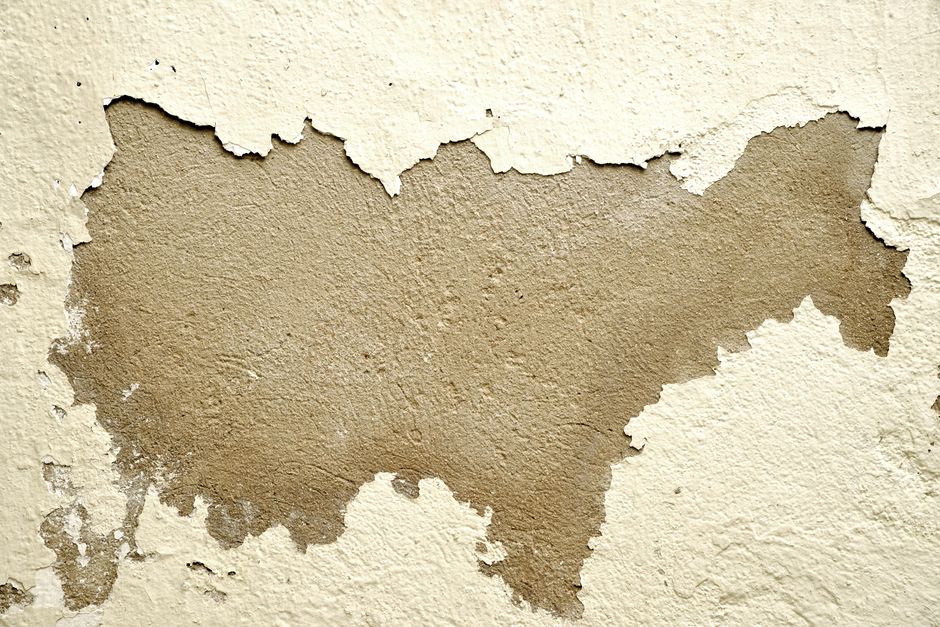
Housing Disrepair, Damp and Mould: Your Rights in Bournemouth, Christchurch and Poole
Tenants and landlords in Bournemouth, Christchurch and Poole are covered by the same statutory framework as the rest of England. This guide explains your rights under UK law when it comes to disrepair issues like damp and mould. The issue has gained renewed attention due to recent tragedies and legal changes aimed at protecting tenants' health and safety.
What the Law Says
Under the Landlord and Tenant Act 1985 (Section 11), landlords are legally obligated to maintain their properties in a state that's safe, secure, and fit for human habitation. The Homes (Fitness for Human Habitation) Act 2018 expanded these duties by defining specific conditions for habitability. Additionally, the Renters' Rights Act 2025 introduced Awaab's Law, which specifically addresses disrepair issues like damp and mould in private rentals.
How the Renters' Rights Act 2025 Changes This
The Renters' Rights Act 2025 strengthens tenants' rights by providing clearer guidelines for addressing disrepair. Under Awaab's Law, landlords must fix significant disrepair within a reasonable timeframe when notified. The act also includes provisions for faster court proceedings if the landlord fails to act promptly.
What This Means for Tenants in Bournemouth, Christchurch and Poole
Tenants are entitled to a property that's structurally sound with no issues like damp or mould. Landlords must address these problems swiftly under Awaab's Law. For example, if you report persistent damp and mould, your landlord should aim to rectify the situation within 14 days of being notified. If the issue persists beyond this timeframe, tenants may seek legal action.
Your Next Steps if You Need Help in Bournemouth, Christchurch and Poole
Firstly, contact your landlord directly about any disrepair issues. Keep a written record of all communications, including emails and letters. Gather evidence like photos or videos showing the extent of damage. If communication fails, report the issue to the Bournemouth, Christchurch and Poole environmental health team, who can serve an improvement notice if necessary.
seek free advice from organisations like Citizens Advice or Shelter. The local council housing team in Bournemouth, Christchurch and Poole also offers guidance on dealing with disrepair claims. These resources provide important support for tenants facing housing disrepair issues.
Common Mistakes to Avoid
- Neglecting Written Records: Always document your communications with the landlord regarding repairs. Lack of proof can weaken your case.
- Underestimating the Importance of a Timeline: Report disrepair early and keep track of when you notified your landlord. Failure to act within a reasonable timeframe may entitle you to legal remedies.
- Failing to Seek Professional Advice Early: Consult with professionals like Citizens Advice or Shelter before taking any drastic action.
When to Get Professional Advice
If the situation escalates, seeking advice from a regulated solicitor may be necessary. They can provide guidance on disrepair claims and help deal with legal proceedings. However, for most cases, free services such as those provided by Citizens Advice or Shelter in Bournemouth, Christchurch and Poole will suffice. Always check with these organisations to understand your options fully.
When you contact a regulated solicitor, ensure they have experience dealing with housing law. Use the Law Society's directory to find reputable firms near you. Remember, securing professional advice early can prevent further damage and legal complications down the line.