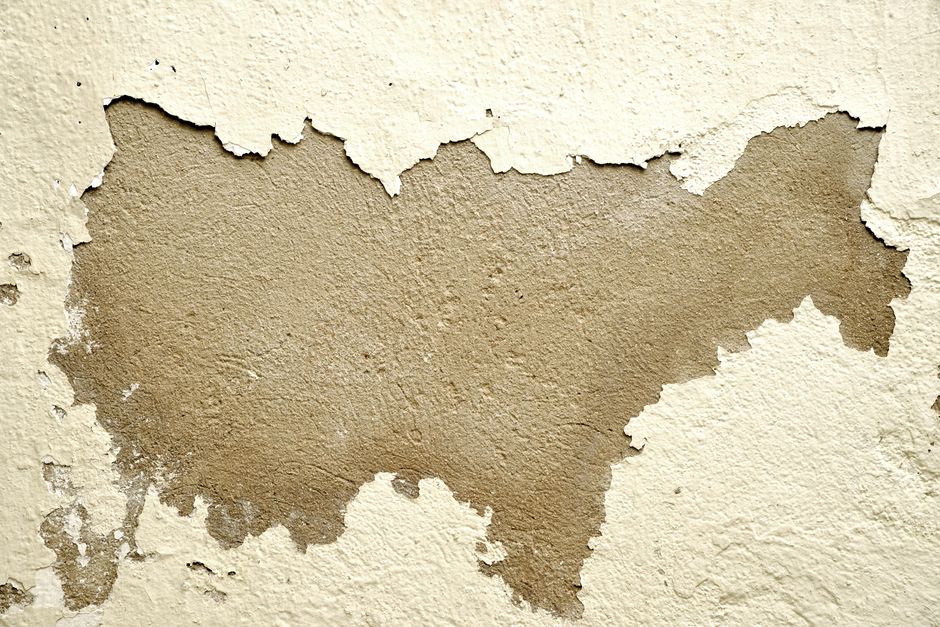
Housing Disrepair, Damp and Mould: Your Rights in Bristol, City of
Tenants and landlords in Bristol, City of are covered by the same statutory framework as the rest of England when it comes to housing disrepair. This guide explains your rights regarding repairs, damp, and mould under national laws such as Awaab's Law within the Renters' Rights Act 2025 and local enforcement powers available through the Bristol, City of council.
The topic is particularly relevant in 2026 due to increased awareness following tragic cases like that of Grenfell Tower and more recent legal developments aimed at improving housing conditions. Awaab's Law, named after Awaab Ishak who died from toxic mould poisoning, has brought renewed focus on the responsibilities of landlords regarding damp and mould issues.
What the Law Says
The Landlord and Tenant Act 1985 (Section 11) provides tenants with basic rights to repairs. This statute requires landlords to maintain the property in a good state of repair, including important structural elements like the roof, windows, and doors. Additionally, the Homes (Fitness for Human Habitation) Act 2018 makes it illegal for private sector landlords to rent out properties that aren't fit for human habitation. This includes issues with damp, mould, lighting, heating, space, cleanliness, drainage, water supply, sanitation, and internal arrangements.
Under Awaab's Law within the Renters' Rights Act 2025 (RRA 2025), private renters have enhanced protections against disrepair. The act strengthens tenants' rights to a habitable home by setting out specific requirements for landlords to address damp and mould issues promptly, ensuring homes are safe and healthy to live in.
How the Renters' Rights Act 2025 Changes This
The RRA 2025 introduces stricter timeframes for addressing disrepair under Awaab's Law. Landlords must take immediate action to rectify any disrepair that may cause harm or pose a risk of deterioration to the property. For damp and mould issues, landlords are required to respond within two weeks after receiving notice from tenants. The act also mandates that landlords provide regular inspections for properties prone to these problems.
the RRA 2025 introduces penalties for non-compliance with repair obligations, including fines and potential eviction of negligent landlords who fail to maintain their properties adequately. This ensures that tenants in Bristol, City of have stronger legal support when dealing with disrepair issues.
What This Means for Tenants in Bristol, City of
Under the Landlord and Tenant Act 1985 (Section 11) and Awaab's Law within the RRA 2025, landlords are responsible for repairing any structural damage and addressing damp and mould problems. Tenants are typically required to notify their landlord in writing about disrepair issues, providing them with reasonable time to make necessary repairs.
For instance, if a tenant notices significant damp or mould growth affecting their health, they may be entitled to request urgent repairs under the RRA 2025's Awaab's Law. Landlords must address such issues within two weeks of receiving notice from tenants, failing which tenants may have grounds for legal action.
Your Next Steps if You Need Help in Bristol, City of
If you need assistance with housing disrepair, your first step should be contacting the landlord directly to report any issues and request repairs. If the landlord fails to act within a reasonable timeframe, you can approach the environmental health team at the Bristol, City of council. They may issue an improvement notice compelling landlords to make necessary repairs.
tenants in Bristol, City of can seek advice from free services like Citizens Advice or Shelter. These organisations provide legal guidance and support for housing issues without charge. The Bristol, City of council's housing team is also available for further assistance if needed.
Common Mistakes to Avoid
- Failing to Document the Issue: It's important to keep detailed records of any disrepair problems, including dates of occurrence, photographs, and written communications with your landlord.
- Neglecting Regular Inspections: Tenants should regularly inspect their homes for signs of damp or mould growth and report these issues promptly to prevent further deterioration.
- Misunderstanding Legal Obligations: Landlords often mistakenly believe that minor repairs are the tenant's responsibility, but under Section 11 of the Landlord and Tenant Act 1985, landlords bear the full cost for structural repair needs.
When to Get Professional Advice
Tenants may need legal advice if their landlord repeatedly ignores disrepair requests or fails to comply with Awaab's Law. Seeking help from a regulated solicitor might be necessary in such cases. However, tenants should typically start by contacting free advice services like Citizens Advice or Shelter for initial guidance. These organisations can advise whether further action is needed and how to proceed.
Always check directly with Bristol, City of council or consult a solicitor if you're unsure about your rights or the specific steps required to address disrepair issues effectively.