Housing Disrepair, Damp and Mould: Your Rights in Canterbury
Tenants and landlords in Canterbury are covered by the same statutory framework as the rest of England. This guide covers your rights regarding disrepair, dampness, and mould under national laws. It's particularly relevant now given recent updates to tenant protections and a heightened awareness around housing fitness following cases like Awaab's.
The Landlord and Tenant Act 1985 (Section 11) sets out the responsibilities of landlords to maintain their properties in good repair. The Homes (Fitness for Human Habitation) Act 2018 ensures that homes must be fit to live in from day one, covering issues like disrepair, cleanliness, space, amenities, and draughts. Most recently, the Renters' Rights Act 2025 introduced new protections specifically addressing housing standards.
What the Law Says
The core statutes governing disrepair include the Landlord and Tenant Act 1985 (Section 11) and the Homes (Fitness for Human Habitation) Act 2018. Under Section 11 of the LTA 1985, landlords are required to keep common areas in good repair and to maintain individual units by carrying out important repairs that would otherwise render a property uninhabitable or dangerous. The HFHH Act 2018 expands on these requirements, ensuring that homes meet basic standards for human habitation from the outset of tenancy.
The Renters' Rights Act 2025 (Awaab's Law) further strengthens tenant rights by requiring landlords to address disrepair issues promptly and effectively. This includes specific provisions for damp and mould under Section 34, which requires landlords to ensure that properties are free from harmful levels of moisture and fungi.
How the Renters' Rights Act 2025 Changes This
The Renters' Rights Act 2025 (Awaab's Law) significantly enhances tenant protections by setting stricter timelines for addressing disrepair issues, especially concerning damp and mould. Under this law, landlords are required to resolve these issues within a specific timeframe-typically 14 days after receiving notice-to avoid penalties or legal action. Landlords who fail to comply can face substantial fines or even criminal charges.
the RRA 2025 introduces a duty on local authorities to provide guidance and support for tenants facing disrepair issues. Canterbury council, like others across England, must ensure that residents have access to clear information about their rights and avenues for redress when dealing with disrepair claims.
What This Means for Tenants in Canterbury
Under the Landlord and Tenant Act 1985 (Section 11) and the Homes (Fitness for Human Habitation) Act 2018, landlords are legally obligated to maintain their properties. Repairs that affect structural integrity or cause health risks must be addressed promptly by your landlord. The Renters' Rights Act 2025 further mandates specific timelines for addressing damp and mould issues.
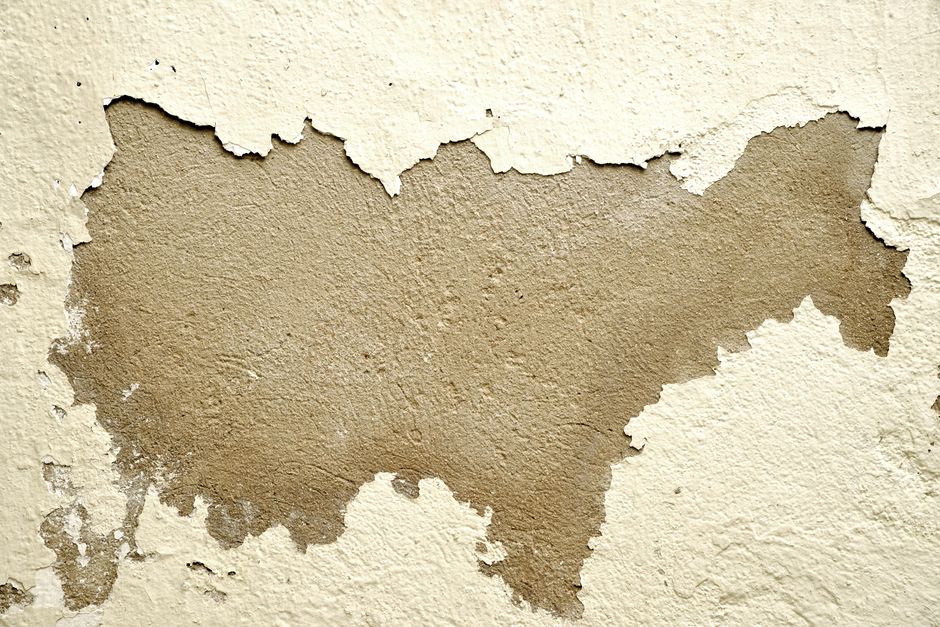
If you notice problems such as cracks in walls. Water damage, or persistent dampness, document these issues thoroughly with photographs and dates. Send a formal request to the landlord specifying the repairs needed and referencing your statutory rights. If no action is taken within 14 days under Awaab's Law, you may escalate the issue through official channels.
Your Next Steps if You Need Help in Canterbury
If you encounter disrepair issues or damp and mould problems, start by contacting your landlord directly to request repairs. Document all communications with dates and times. If your landlord doesn't respond adequately within 14 days under Awaab's Law, consider reaching out to free advice services like Citizens Advice or Shelter for guidance.
The Canterbury council housing team can also provide support and may serve improvement notices on landlords who neglect their legal responsibilities. These teams offer resources to help tenants deal with the process of reporting disrepair formally and enforcing statutory rights effectively.
Common Mistakes to Avoid
Tenants often make mistakes by failing to document issues properly or not acting promptly when problems arise. Another common error is assuming that minor repairs are the tenant's responsibility, while many structural issues fall under landlord obligations. Landlords may also err by ignoring formal complaints about disrepair and dampness, risking legal penalties.
Always gather evidence of any disrepair with detailed notes and photographs before contacting your landlord or seeking help from organisations like Citizens Advice or Shelter.
When to Get Professional Advice
If the situation involves complex legal issues beyond basic tenant rights advice, you may need a regulated solicitor. Free services can often provide adequate support for straightforward cases involving standard repairs under Awaab's Law. To find professional assistance, contact local law firms specialising in housing disputes or consult resources like the Law Society directory.
Check directly with Canterbury council for specific guidance tailored to your circumstances and verify that any legal advice you receive is from a qualified practitioner.