Housing Disrepair, Damp and Mould: Your Rights in Castle Point
Tenants and landlords in Castle Point are covered by the same statutory framework as the rest of England when it comes to housing disrepair. This guide will help you understand your rights and responsibilities under current law, specifically focusing on how recent legislation like Awaab's Law (Renters' Rights Act 2025) impacts private renters.
The topic is particularly relevant today because Castle Point. Like other areas in the UK, faces significant issues with damp and mould. These conditions can severely affect tenants' health and well-being, leading to respiratory problems and exacerbating existing conditions such as asthma. Ensuring that landlords are held accountable for disrepair is important to maintaining safe living conditions.
What the Law Says
Under the Landlord and Tenant Act 1985 (Section 11), a landlord has a legal duty to ensure their property remains in good repair. This means that any structural issues, such as cracked walls or leaking roofs, must be addressed promptly. The Homes (Fitness for Human Habitation) Act 2018 further establishes that homes should be fit for human habitation from the outset and remain so over time. Tenants may take legal action if these standards aren't met.
the Renters' Rights Act 2025 introduces Awaab's Law, which specifically targets disrepair issues in private rentals. This law mandates stricter deadlines for landlords to address damp and mould problems, aligning with health guidelines to protect tenants from harmful living conditions.
How the Renters' Rights Act 2025 Changes This
The Renters' Rights Act 2025 significantly enhances protections against disrepair by setting clearer timelines and responsibilities. For damp and mould issues, landlords are now required to take action within two weeks of a tenant reporting the problem, as mandated by Awaab's Law.
This new legislation also helps tenants with more options for pursuing legal remedies if repairs aren't carried out promptly or satisfactorily. It introduces stricter penalties for non-compliance, including potential fines and mandatory repairs ordered by courts.
What This Means for Tenants in Castle Point
Tenants should be aware that the landlord is responsible for all structural repairs under Section 11 of the Landlord and Tenant Act 1985. Additionally, Awaab's Law mandates that landlords must address damp and mould issues within two weeks to comply with health standards.
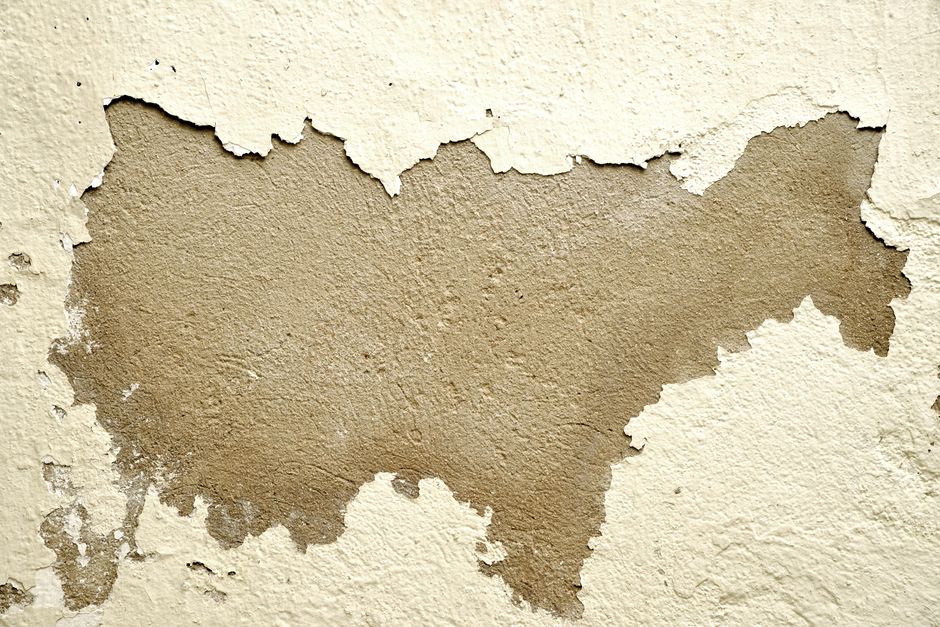
In practice, this means if you notice signs of disrepair such as peeling paint, cracked walls, or persistent damp, it's your landlord's duty to fix these issues promptly. For damp and mould, the timeline under Awaab's Law is strict, and tenants may pursue legal action should their landlord fail to act within the prescribed period.
Your Next Steps if You Need Help in Castle Point
If you need assistance with disrepair or other housing issues in Castle Point, start by contacting your landlord directly via written correspondence. Make sure to document all communications clearly, noting dates and details of any issues reported.
For additional support, reach out to free advice services like Citizens Advice or Shelter. These organisations can provide guidance on your legal rights and next steps without charge. Additionally, the local Castle Point council housing team may offer further assistance in reporting disrepair and initiating improvement notices if necessary.
Common Mistakes to Avoid
Tenants often make several common mistakes that could weaken their position when dealing with disrepair issues:
- Not Documenting Issues: Failing to keep a detailed record of repairs needed can hinder your case. Always document every issue reported, along with the dates and responses received from your landlord.
- Ignoring Minor Repairs Early On: Small issues like leaky faucets or peeling paint may seem minor but can escalate into more significant problems if left unaddressed. Addressing them early can prevent future complications.
- Not Seeking Legal Advice Promptly: If a landlord fails to address serious disrepair, it's important not to wait too long before seeking legal advice. Early intervention can be important in securing timely repairs and protecting your rights.
When to Get Professional Advice
If you have tried all other avenues but still face unresolved issues with disrepair. Speaking to a regulated solicitor might be necessary. They can provide detailed guidance on the specific actions available to you based on your situation. For simpler cases or initial advice, free services like those offered by Citizens Advice and Shelter may suffice.
It's important to check directly with Castle Point council for local policies or additional resources that could support your case further. Always ensure any legal action aligns with current statutory requirements and seek professional counsel if you're unsure of the next steps.