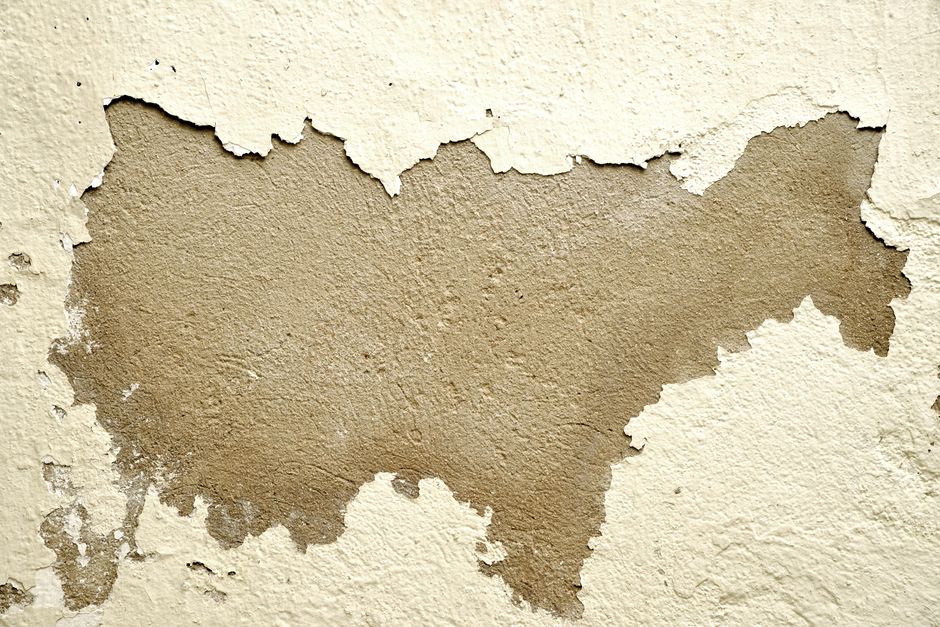
Housing Disrepair, Damp and Mould: Your Rights in Chichester
Tenants and landlords in Chichester are covered by the same statutory framework as the rest of England. This guide outlines your rights regarding disrepair, dampness, and mould in rented properties under national law. It's particularly pertinent today given the ongoing issues with housing conditions that can affect health and wellbeing.
The topic has gained renewed urgency following the tragic case of Awaab Ishak and the subsequent Renters' Rights Act 2025 (Awaab's Law). This legislation aims to ensure properties are habitable, addressing serious disrepair and health hazards such as damp and mould. Understanding these rights is important for tenants in Chichester who may face similar challenges.
What the Law Says
The Landlord and Tenant Act 1985 (Section 11) mandates that landlords must keep their rental properties in good repair. This includes maintaining structural elements, common areas, and facilities like heating systems and electrical installations. The Homes (Fitness for Human Habitation) Act 2018 further reinforces these obligations by requiring that rented homes are fit to live in from the outset and remain so throughout the tenancy.
The Renters' Rights Act 2025 introduces specific provisions under Awaab's Law, which explicitly addresses disrepair issues that can harm tenants' health. This includes a requirement for landlords to promptly address dampness and mould, ensuring these conditions don't reach levels that cause significant harm or discomfort to residents.
How the Renters' Rights Act 2025 Changes This
The Renters' Rights Act 2025 (RRA 2025) significantly bolsters tenants' rights regarding disrepair by mandating stricter timelines for landlords. Under Awaab's Law, private rental properties must be free from damp and mould that poses a health risk to occupants. Landlords are required to rectify such issues within a legally defined timeframe-typically no later than 14 days after being notified of the problem.
The Act also introduces penalties for landlords who fail to comply with repair obligations, including fines and potential eviction proceedings if the breach is deemed serious enough. This shift highlights the government's commitment to ensuring that all rented homes meet basic standards of safety and habitability.
What This Means for Tenants in Chichester
Tenants in Chichester have clear statutory rights regarding repairs and disrepair. Under Section 11 of the Landlord and Tenant Act 1985, landlords are responsible for maintaining important elements of a property, such as plumbing, heating systems, electrical installations, and structural integrity. Awaab's Law under the Renters' Rights Act 2025 ensures that issues like dampness and mould must be addressed promptly.
For instance, if you notice significant levels of damp or mould in your Chichester rental home, you may be entitled to request immediate repairs from your landlord. According to the RRA 2025, this should ideally take no longer than two weeks after notifying the landlord of the problem. If the landlord fails to act within this period. Tenants are advised to seek further legal advice and potentially report the issue to local authorities.
Your Next Steps if You Need Help in Chichester
If you face issues with disrepair, dampness, or mould in your rental property in Chichester, there are several steps you can take. First, contact your landlord directly by writing a formal notice detailing the problem and requesting repairs. Keep copies of all correspondence as evidence.
For additional support, reach out to free advice services such as Citizens Advice or Shelter. Both organisations provide full guidance on tenants' rights and can help you deal with legal processes if necessary. Additionally, Chichester's housing team offers assistance with reporting disrepair issues and may be able to offer mediation between landlords and tenants.
Common Mistakes to Avoid
Tenants often make several mistakes when dealing with disrepair issues:
- Failing to Document Issues: It's important to keep a detailed record of any problems, including dates, descriptions, and photographic evidence.
- Not Following Formal Processes: Ignoring statutory requirements by not sending written notice to the landlord or failing to escalate complaints through proper channels can weaken your case.
- Underestimating Disrepair Impact: Damp and mould can significantly affect health; don't downplay these issues if they pose a risk.
Addressing these errors early on will help ensure that you receive appropriate assistance from both landlords and local authorities like Chichester council's housing team.
When to Get Professional Advice
While free advice services are invaluable, there may be times when consulting a regulated solicitor is necessary. If your landlord refuses repeated requests for repairs or if the disrepair situation becomes severe enough to pose health risks, professional legal guidance might be beneficial. Check with a solicitor or Shelter directly to determine whether hiring legal representation would strengthen your position.
To find a suitable solicitor, consider websites like the Law Society's directory which lists members who specialise in housing law. Always check credentials and client reviews before engaging any service provider.