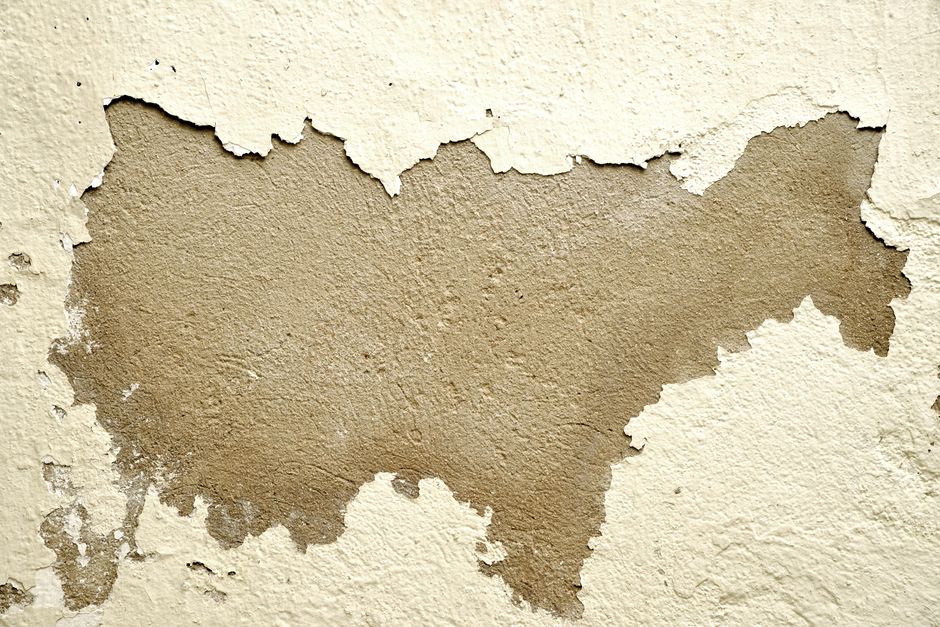
Housing Disrepair, Damp and Mould: Your Rights in Chorley
Tenants and landlords in Chorley are covered by the same statutory framework as the rest of England when it comes to housing disrepair. This includes obligations under the Landlord and Tenant Act 1985 (Section 11) and the Homes (Fitness for Human Habitation) Act 2018, which were designed to ensure that rental properties are fit for habitation without undue risk to health and safety. The Renters' Rights Act 2026 further solidified these protections with specific provisions known as Awaab's Law, named after a tragic case that highlighted the importance of timely repairs.
The issue of housing disrepair is particularly pressing in Chorley and across England due to the ongoing challenges posed by dampness, mould, and structural defects. These issues can exacerbate health problems such as asthma and allergies, making it important for tenants to understand their rights and how to pursue necessary repairs effectively.
What the Law Says
Under the Landlord and Tenant Act 1985 (Section 11), landlords are legally obligated to keep properties in good repair. This includes responsibilities like maintaining structural elements, ensuring adequate heating and hot water supply, and addressing issues related to dampness and mould. The Homes (Fitness for Human Habitation) Act 2018 builds on this by providing tenants with a right to claim damages if their property is unfit to live in due to disrepair or other issues affecting habitability.
The Renters' Rights Act 2026 introduced Awaab's Law, which specifically addresses the importance of swift action regarding damp and mould. This legislation aims to prevent situations where delays in repair work can lead to serious health hazards for tenants. The law mandates clearer timelines and more stringent penalties if landlords fail to act on these issues promptly.
How the Renters' Rights Act 2025 Changes This
The Renters' Rights Act 2026, including Awaab's Law, significantly strengthens existing protections by setting out clear requirements for landlords. Specifically, it mandates that landlords must address disrepair related to damp and mould within strict timeframes, typically starting from the point where tenants notify them of an issue. The law also introduces penalties for non-compliance, aiming to incentivise timely repairs.
Awaab's Law requires landlords to take immediate action upon receiving a complaint about damp or mould, with clear deadlines for remedial work. Tenants are now better equipped to enforce their rights due to these provisions, which provide clearer guidelines and consequences for landlords who fail to meet their obligations.
What This Means for Tenants in Chorley
For tenants in Chorley, Awaab's Law means that they have a clear legal pathway to demand timely repairs when issues related to dampness or mould arise. Landlords are responsible for addressing these problems within specific deadlines outlined by the Renters' Rights Act 2026.
Under statute, landlords must ensure that properties remain structurally sound and free from health hazards like damp and mould. Tenants should document any disrepair thoroughly and notify their landlord in writing. Specifying the nature of the problem and requesting prompt action. If a landlord fails to respond adequately within the required timeframe. Tenants may be entitled to seek further assistance or legal remedy.
Your Next Steps if You Need Help in Chorley
If you need help addressing disrepair issues in Chorley, start by documenting everything carefully. Gather evidence such as photos and videos showing the extent of damage, along with dates and any correspondence with your landlord regarding repairs. Contacting the Chorley council's housing team to report persistent problems can be a critical step.
seeking advice from free services like Citizens Advice or Shelter may provide you with additional guidance on how to proceed. These organisations offer legal advice tailored specifically to tenant rights in England and Wales. If local resources are insufficient, consider approaching the Chorley environmental health team for an official inspection under Section 106 of the Housing Act 2004.
Common Mistakes to Avoid
Tenants often make mistakes such as not documenting issues properly or failing to provide written notice to their landlord about disrepair. It's important to keep a detailed record and communicate clearly in writing whenever you report an issue. Landlords, on the other hand, might overlook their statutory obligations by delaying necessary repairs beyond the legal deadlines set out in Awaab's Law.
Another common error isn't seeking professional advice early enough when dealing with complex or persistent disrepair issues. Engaging legal counsel or contacting local housing authorities promptly can prevent minor problems from escalating into more serious disputes.
When to Get Professional Advice
If you find that your landlord has repeatedly ignored complaints about damp and mould, or if the issue persists despite repeated attempts to resolve it through informal channels, seeking professional advice may be necessary. A regulated solicitor specialising in tenant rights could provide tailored guidance on how to proceed with formal legal action.
However, for less severe issues, free services such as those provided by Citizens Advice or Shelter might offer sufficient support without the need for costly legal representation. Always check directly with Chorley council for any local policies or additional resources that may be available to you.