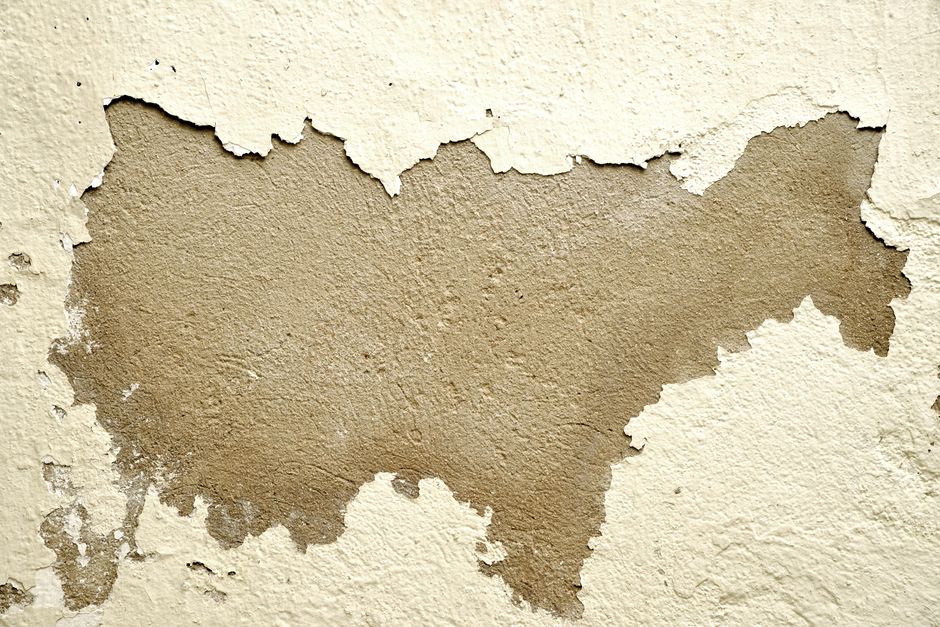
Housing Disrepair, Damp and Mould: Your Rights in Cotswold
Tenants and landlords in Cotswold are covered by the same statutory framework as the rest of England. Including national laws that govern housing disrepair and conditions. This guide focuses on your rights when dealing with issues such as damp and mould. Which can significantly affect your quality of life. The issue has gained renewed importance since the tragic death of Awaab Ishak in 2015. Leading to new legislation aimed at improving living standards for all tenants.
The problem of disrepair is especially pressing today because it not only affects physical health but also mental well-being and social cohesion within communities. With winter approaching, concerns about damp and mould are heightened as these issues can worsen during colder months when windows remain closed. Understanding your rights under the law can help you to take action before problems escalate.
What the Law Says
Under the Landlord and Tenant Act 1985 (Section 11). Landlords have a legal obligation to maintain their properties in good repair, ensuring they're safe and fit for habitation. Additionally, the Homes (Fitness for Human Habitation) Act 2018 extends this duty by requiring that homes meet specific standards of repair, cleanliness, and safety. The Renters' Rights Act 2025 further strengthens these protections through 'Awaab's Law'. Which specifically targets private rentals to ensure better conditions and quicker responses from landlords regarding disrepair issues.
How the Renters' Rights Act 2025 Changes This
The Renters' Rights Act 2025 introduces significant changes aimed at improving living conditions for tenants in Cotswold. One key provision is the requirement that landlords must address damp. Mould, and other health-related issues within strict deadlines set by Awaab's Law. The law mandates a quicker response time from landlords compared to previous legislation, helping to prevent serious deterioration of properties.
Under Awaab's Law, tenants have clear guidelines on what constitutes acceptable living conditions and the timeframe in which these should be addressed. This helps mitigate situations where tenants might otherwise suffer due to prolonged disrepair issues.
What This Means for Tenants in Cotswold
Tenants in Cotswold must understand that all structural repairs are the landlord's responsibility by statute under Section 11 of the Landlord and Tenant Act 1985. Issues such as plumbing, heating systems, roof damage, and structural problems should be resolved promptly without tenant intervention or expense.
Awaab's Law, part of the Renters' Rights Act 2025, sets specific timeframes for addressing damp and mould issues in private rentals. For example, landlords must take action within 14 days if notified about serious health risks like black mould, which could impact tenants' health significantly.
Your Next Steps If You Need Help in Cotswold
If you face disrepair issues in your rental property in Cotswold, the first step is to notify your landlord of the problem. Follow up with a written report detailing the issue and any evidence you have, such as photos or witness statements. Keep copies of all correspondence.
Should the landlord fail to respond adequately, you may seek assistance from free advice services like Citizens Advice or Shelter. Additionally, Cotswold council's housing team can provide guidance on next steps and may even intervene directly if necessary.
Common Mistakes to Avoid
Tenants often overlook documenting issues thoroughly before reporting them to their landlord. Ensuring you have clear evidence of the disrepair is important for any future claims or legal action.
Another common mistake isn't following up with the landlord regularly after raising an issue. Keep detailed records of all communications and ensure there's a paper trail to support your case if needed.
Landlords might also make the mistake of underestimating the seriousness of disrepair issues, leading to delays that could escalate minor problems into major concerns affecting tenants' health.
When to Get Professional Advice
If you face significant challenges in resolving disrepair issues or need legal advice beyond what free services can offer, consulting a regulated solicitor may be necessary. Check directly with Cotswold council for local legal aid options if you qualify. Always ensure any solicitor is reputable and experienced in housing law before proceeding.
For less severe cases, seeking assistance from free advice services such as Citizens Advice or Shelter first may suffice to resolve the issue without incurring legal fees. These organisations can provide tailored guidance based on your specific situation.