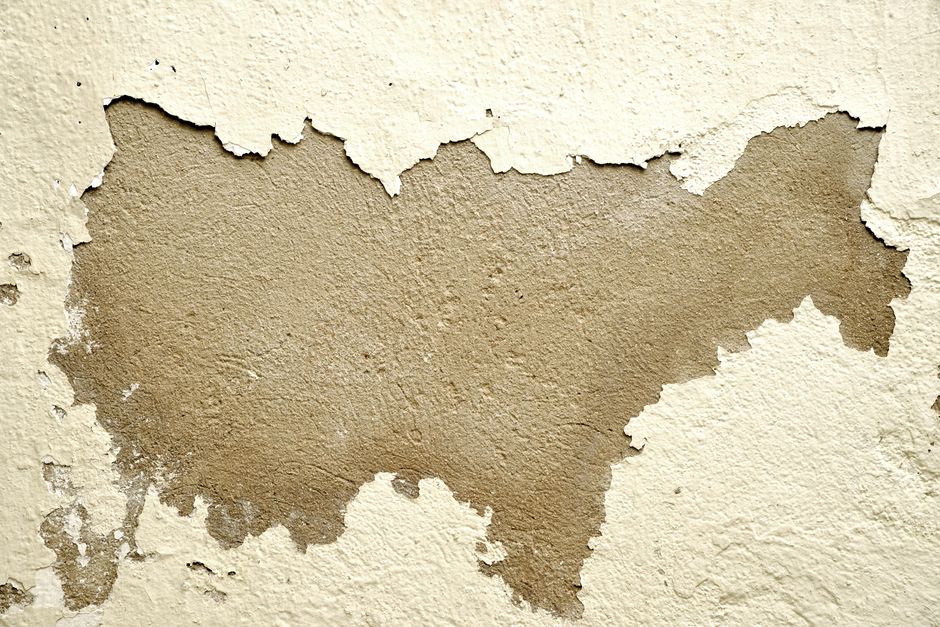
Housing Disrepair, Damp, and Mould: Your Rights in Cumberland
Tenants and landlords in Cumberland are covered by the same statutory framework as the rest of England. This means that you have specific rights when it comes to disrepair and living conditions. Understanding these rights is important for maintaining a safe and healthy home environment. With recent updates to legislation, such as the Renters' Rights Act 2025 (Awaab's Law), tenants now have more protection against disrepair issues like damp and mould.
The issue of housing disrepair has gained significant attention in Cumberland. With many residents facing serious health risks due to inadequate maintenance. The Renters' Rights Act 2025 aims to address these concerns by providing clearer guidelines for landlords' responsibilities and quicker resolution times for disrepair claims. This guide will help you deal with your rights and obligations under the new law.
What the Law Says
The Landlord and Tenant Act 1985 (Section 11) sets out the legal requirements for landlords to maintain their properties in a safe. Habitable condition. Additionally, the Homes (Fitness for Human Habitation) Act 2018 ensures that rented homes must meet basic standards of health and safety. The Renters' Rights Act 2025 further enhances these protections by introducing Awaab's Law. Which specifically addresses disrepair issues in private rentals.
Under Section 11 of the Landlord and Tenant Act 1985, landlords are legally obligated to keep rental properties in good repair and maintain them to a reasonable standard. This includes ensuring that any structural defects, dampness, or mould problems are addressed promptly. The Homes (Fitness for Human Habitation) Act 2018 complements this by setting out detailed requirements for the condition of rented homes, making it easier for tenants to take action if their property fails these standards.
How the Renters' Rights Act 2025 Changes This
The Renters' Rights Act 2025 introduces Awaab's Law, which significantly enhances protections against disrepair issues in private rentals. One of the key changes is a clear timeframe for landlords to address damp and mould problems under RRA 2025. If tenants report these issues, landlords are required to rectify them within two weeks if they pose an immediate health risk, or within eight weeks otherwise.
This act also simplifies the process for tenants to take legal action against landlords who fail to address disrepair promptly. It ensures that courts can more easily determine whether a property is fit for human habitation and impose penalties on landlords who neglect their responsibilities.
What This Means for Tenants in Cumberland
Under statutory law, certain repairs are always the landlord's responsibility. These include structural issues like roof leaks, plumbing problems, and electrical faults. Awaab's Law under RRA 2025 mandates that if damp or mould is reported to your landlord, they must address it within two weeks if it poses an immediate health risk, or eight weeks otherwise.
For example, if you notice significant damp patches on the walls or persistent mould growth in your living spaces, you should report this to your landlord immediately. If no action is taken within the specified timeframe, you may be entitled to take further steps under Awaab's Law and seek legal remedies from Cumberland council's housing team.
Your Next Steps if You Need Help in Cumberland
If you need assistance with disrepair issues or other housing problems, there are several options available:
- Contact Your Landlord: Begin by notifying your landlord of the issue in writing, detailing when it was first noticed and any steps you've taken to resolve it yourself.
- Gather Evidence: Document all instances of disrepair using photos, videos, and notes. Keep a record of all communications with your landlord regarding the repairs.
- Free Advice Services: Seek advice from Citizens Advice or Shelter for guidance on your rights and next steps. Cumberland council also offers a housing team that can provide support and information.
Common Mistakes to Avoid
- Not Reporting Issues Promptly: Delaying communication with your landlord about disrepair issues can weaken your legal position.
- Ignoring Small Problems: Address small issues early before they escalate into larger, more costly problems.
- Lacking Documentation: Failing to keep thorough records of disrepair and communications with your landlord may hinder your ability to prove the extent of damage or delays in repairs.
When to Get Professional Advice
If you're unsure about your rights or if your case is complex (e.g., involving significant health risks), it may be wise to consult a regulated solicitor. Free advice services like those offered by Citizens Advice and Shelter can also provide valuable guidance without the need for legal fees. Check directly with Cumberland council for local resources or referrals. Always check with a solicitor if you're considering taking legal action, as they can offer tailored advice based on your specific situation.