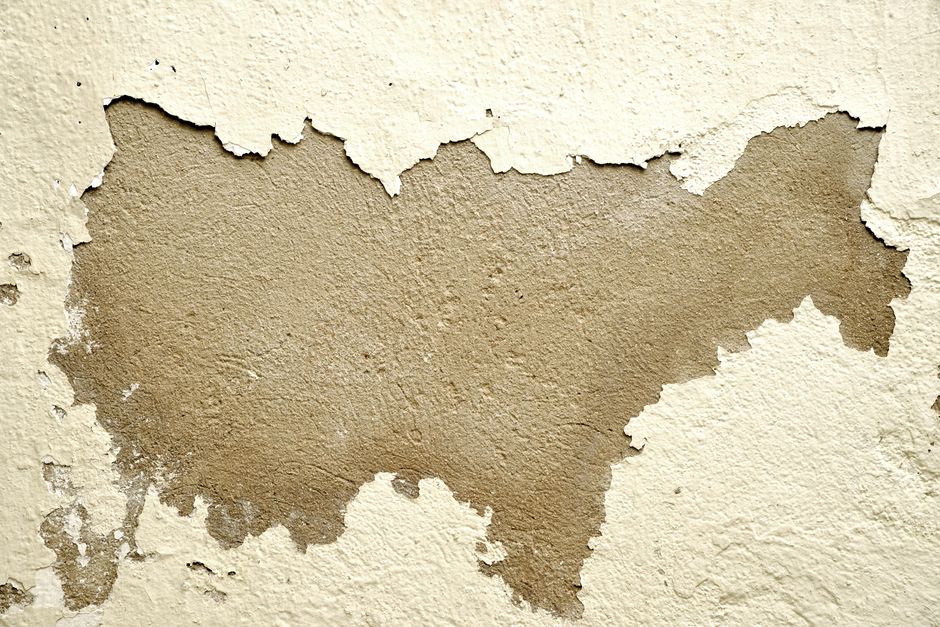
Housing Disrepair, Damp and Mould: Your Rights in Isle of Wight
Tenants and landlords in Isle of Wight are covered by the same statutory framework as the rest of England regarding property repairs and disrepair. This means that if you live in a privately rented home on the Isle of Wight and face issues like damp, mould, or other structural problems, your legal rights remain consistent with national law. Understanding these rights is important because housing disrepair can lead to significant health risks and discomfort for tenants.
Recent updates to UK housing laws, such as the Renters' Rights Act 2025 (Awaab's Law), have made it easier for tenants to seek help when their homes aren't fit for habitation. This guide explains these changes and how they affect your rights in Isle of Wight.
What the Law Says
The core statute governing repair responsibilities is Section 11 of the Landlord and Tenant Act 1985, which sets out that landlords must keep rented properties in a safe condition. The Homes (Fitness for Human Habitation) Act 2018 extends this by ensuring homes meet basic standards of safety and sanitation, including protection from dampness and infestation. Additionally, the Renters' Rights Act 2025 introduces new obligations under Awaab's Law specifically for private rentals.
Section 11 outlines that landlords are responsible for repairs to structure and exterior features like roofs, windows, and walls. The Homes (Fitness for Human Habitation) Act requires that rented homes maintain a minimum standard of safety, cleanliness, and habitability, including measures against damp and mould growth.
How the Renters' Rights Act 2025 Changes This
The Renters' Rights Act 2025 introduced Awaab's Law, which provides more strong protections for tenants experiencing disrepair. Under this law, landlords are now legally required to repair urgent issues faster than before and must adhere to stricter timelines for addressing damp and mould problems. Tenants may also have the right to request that their landlord make repairs within a shorter timeframe under Awaab's Law compared to pre-2025 legislation.
The Act mandates that landlords take action within 14 days of being notified about significant disrepair issues such as structural damage or serious damp and mould problems. For less urgent but still important repairs, tenants are typically entitled to have these addressed within three months from the date they informed their landlord.
What This Means for Tenants in Isle of Wight
Under Section 11 of the Landlord and Tenant Act 1985 and Awaab's Law. Landlords must address certain types of disrepair without delay. For instance, urgent repairs like fixing a broken boiler or addressing significant damp issues affecting health should be carried out promptly-within 14 days of notification. Non-urgent but important repairs, such as replacing faulty locks or dealing with less severe mould problems, should generally be resolved within three months.
Tenants in Isle of Wight are encouraged to document any disrepair issues thoroughly and communicate them clearly to their landlord following these statutory guidelines. If a landlord fails to act appropriately, tenants may have grounds for legal action under the Homes (Fitness for Human Habitation) Act 2018 or seek mediation through local council services.
Your Next Steps if You Need Help in Isle of Wight
If you encounter disrepair issues that your landlord doesn't address promptly, start by contacting the Isle of Wight environmental health team to report structural problems. Gather evidence such as photographs and written correspondence with your landlord regarding repairs needed. For legal advice on pursuing further action against a non-compliant landlord, consider reaching out to free services like Citizens Advice or Shelter.
The Isle of Wight council also has its own housing team that tenants can approach for assistance in resolving disrepair disputes. By using these resources, you can ensure your living conditions meet the statutory standards required by law and regulations set forth by Awaab's Law.
Common Mistakes to Avoid
Tenants often make several common mistakes when dealing with disrepair issues:
- Failing to document evidence of damage or neglect.
- Not providing a clear written notice to the landlord outlining specific repair requests.
- Assuming that contacting only one authority will resolve all issues, rather than seeking advice from multiple sources like environmental health officers and legal advisors.
Landlords may also overlook their statutory obligations by delaying necessary repairs beyond legally mandated deadlines. Ensuring both tenants and landlords adhere to correct procedures can prevent misunderstandings and disputes over property maintenance.
When to Get Professional Advice
If your landlord consistently fails to address disrepair issues despite repeated communication, you may need professional legal advice from a regulated solicitor. Free services like those offered by Citizens Advice or Shelter are typically sufficient for initial guidance on what steps to take next. For more complex cases where specific laws might apply differently based on individual circumstances, consulting with a local Isle of Wight law firm could provide tailored solutions and increase your chances of resolving the issue effectively.
Always check directly with the Isle of Wight council for any additional local policies or procedures that may affect your situation specifically.