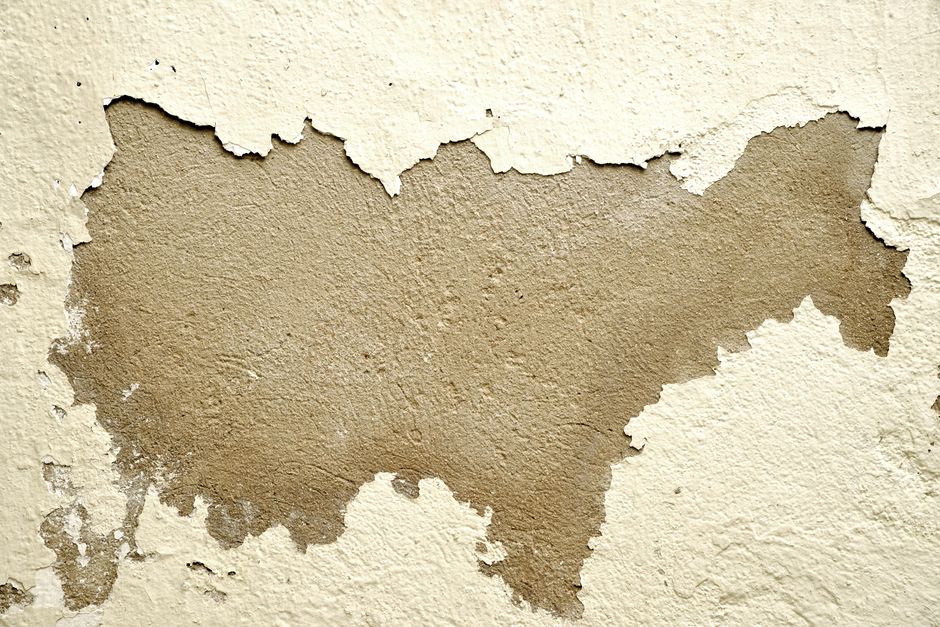
Housing Disrepair, Damp and Mould: Your Rights in King's Lynn and West Norfolk
Tenants and landlords in King's Lynn and West Norfolk are covered by the same statutory framework as the rest of England when it comes to housing disrepair. This guide explains what tenants are entitled to under current law and how recent changes like Awaab's Law affect your rights, particularly regarding damp and mould issues.
In 2026, concerns about disrepair have gained significant attention following high-profile cases involving health hazards and legal disputes over property maintenance. The Homes (Fitness for Human Habitation) Act 2018 and the Renters' Rights Act 2025 have heightened awareness of a tenant's right to live in a safe and healthy environment. These laws aim to ensure that all rented properties meet minimum standards. And they offer stronger protections against disrepair issues like damp and mould.
What the Law Says
The primary legislation governing disrepair is the Landlord and Tenant Act 1985 (Section 11), which mandates that landlords maintain certain aspects of a property. This includes structural elements like roofs and walls, as well as common areas such as stairwells in flats. The Homes (Fitness for Human Habitation) Act 2018 extended these obligations by requiring all rental properties to be fit for human habitation based on specific criteria related to hygiene, safety, space, repairs, water supply, drainage, heating, and damp.
The Renters' Rights Act 2025 introduced a new legal framework specifically addressing disrepair in private rentals. Known as Awaab's Law, this act aims to prevent tragedies like those caused by toxic mould and poor living conditions. It outlines specific timeframes for landlords to address issues such as damp and mould.
How the Renters' Rights Act 2025 Changes This
The Renters' Rights Act 2025 significantly strengthens tenants' rights regarding disrepair in private rentals. Under Awaab's Law, landlords are required to provide a property that's free from harmful conditions such as damp and mould. The act introduces clear deadlines for remedial action: if you notify your landlord about an issue like damp or mould, they must respond promptly by conducting necessary repairs within 28 days. If the problem persists despite this initial response, tenants may escalate their complaint to the local authority's environmental health team.
Awaab's Law mandates that landlords provide a full inventory of disrepair issues before tenancy begins and during routine inspections. At King's Lynn and West Norfolk, this helps prevent disputes later on by clearly outlining what needs maintenance or repair.
What This Means for Tenants in King's Lynn and West Norfolk
Under the Landlord and Tenant Act 1985 (Section 11) and Awaab's Law, tenants are entitled to have their landlord address a range of disrepair issues without delay. Common responsibilities include fixing structural problems like leaking roofs or damaged walls, replacing broken appliances, and addressing damp and mould issues that affect the property's fitness for human habitation.
Tenants in King's Lynn and West Norfolk should be aware that landlords must respond promptly to any complaints about damp and mould. Under Awaab's Law, landlords are required to take action within 28 days of being notified by a tenant. If your landlord fails to act, you may need to contact the local environmental health team for further assistance.
Your Next Steps if You Need Help in King's Lynn and West Norfolk
If you experience disrepair issues in King's Lynn and West Norfolk, the first step is to notify your landlord in writing about the problem. Keep detailed records of all communications, including dates, descriptions of the issue, and any follow-up actions taken by your landlord.
King's Lynn and West Norfolk council has a dedicated housing team that can assist tenants with disrepair complaints. You may also seek advice from free services like Citizens Advice or Shelter to understand your rights better. These organisations often have local branches in King's Lynn and West Norfolk and offer practical guidance on resolving disputes amicably.
the King's Lynn and West Norfolk environmental health team can serve improvement notices if landlords don't address disrepair issues within legal timeframes.
Common Mistakes to Avoid
Tenants often make the mistake of assuming that small repairs will be taken care of automatically by their landlord. It's important to document all maintenance requests clearly and follow up persistently, especially for critical issues like damp and mould which can have serious health implications.
Another common error involves failing to gather sufficient evidence when making a complaint about disrepair. Take photos or videos of the affected areas, keep records of your communications with the landlord, and maintain a detailed diary of when repairs are needed and when they're completed-or not.
Landlords also frequently overlook their obligations under Awaab's Law by delaying necessary repairs beyond legal timeframes. This can lead to further complications if tenants escalate complaints to environmental health officers or seek legal action against non-compliant landlords.
When to Get Professional Advice
If your landlord continues to neglect disrepair issues despite repeated requests and you have exhausted free advice services, consulting with a regulated solicitor may be necessary. A solicitor can provide tailored legal guidance on how best to proceed in your specific situation and help you understand whether pursuing a formal claim is advisable.
However, for many cases, seeking professional advice from local housing teams or organisations like Shelter can often offer sufficient support without the need for costly legal intervention. Check directly with King's Lynn and West Norfolk council to find out about additional resources available locally.