Housing Disrepair, Damp and Mould: Your Rights in North Devon
Tenants and landlords in North Devon are covered by the same statutory framework as the rest of England, ensuring that both parties have clear responsibilities regarding property maintenance and habitability. This guide aims to clarify your rights if you're experiencing housing disrepair issues such as damp and mould. As recent incidents across the UK highlight, addressing these problems promptly is important for maintaining a safe living environment.
In 2026, the issue of disrepair has gained heightened attention due to high-profile cases involving severe health impacts from poor property conditions. The tragic death of Awaab Ishak in Birmingham highlighted the critical need for landlords to take responsibility for habitable homes and spurred legislative changes aimed at protecting tenants further.
What the Law Says
The Landlord and Tenant Act 1985 (Section 11) sets out the basic obligations a landlord has regarding repairs and maintenance. It stipulates that the property must be fit for habitation upon letting and remain so throughout the tenancy. The Homes (Fitness for Human Habitation) Act 2018 expanded these requirements. Making it legally enforceable that homes must meet certain standards of habitability.
The Renters' Rights Act 2025, also known as Awaab's Law for private rentals, further enhances tenant protection by setting clear timeframes and guidelines for landlords to address disrepair issues. This act aims to prevent situations like those faced by Mr Ishak from occurring again.
How the Renters' Rights Act 2025 Changes This
The Renters' Rights Act 2025 introduces several key changes that significantly benefit tenants dealing with disrepair and damp issues. One of its most notable provisions is the requirement for landlords to address disrepair within strict deadlines, which can vary depending on the severity of the issue.
For instance, under Awaab's Law, a landlord must deal with problems like mould growth or structural defects within 28 days of being notified by the tenant. Additionally, landlords are now required to provide detailed records of repairs carried out and any costs incurred, ensuring transparency and accountability in the process.
What This Means for Tenants in North Devon
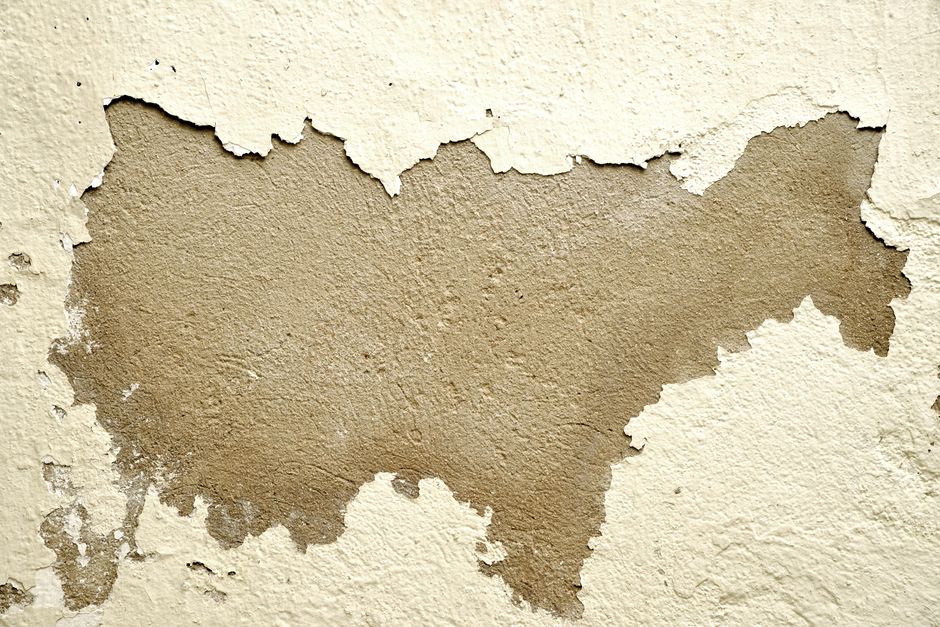
Under the Landlord and Tenant Act 1985 (Section 11) and the Renters' Rights Act 2025, tenants in North Devon are entitled to a property that's structurally sound, well-maintained, and free from damp or mould. If you notice any issues such as cracked walls, peeling paint, or excessive moisture, it's always the landlord's responsibility to fix these problems.
Awaab's Law sets specific timeframes for addressing disrepair: landlords must take action within 28 days if a tenant reports an issue like damp or mould. This means that tenants in North Devon may be entitled to further protection against prolonged exposure to poor living conditions, ensuring their health and safety are prioritised over property neglect.
Your Next Steps If You Need Help in North Devon
If you encounter housing disrepair issues in North Devon, your first step should be to contact the landlord directly. Provide them with detailed information about the problem, including photos or videos if possible. Keep a paper trail of all communications and records of when you reported the issue.
If your landlord fails to act within the required timeframe, you may want to reach out to free advice services such as Citizens Advice or Shelter for guidance on next steps. The North Devon council also has a dedicated housing team that can assist with issues like disrepair and provide further support or intervention if necessary.
Common Mistakes to Avoid
One common mistake tenants make isn't documenting the disrepair issue adequately before reporting it. Make sure you take clear, dated photos of any damage and keep written records of all communications with your landlord regarding repairs. Another frequent error is failing to report issues promptly; delays can weaken your position in legal disputes.
Landlords often mistakenly believe that minor repairs are the tenant's responsibility, which can lead to ongoing issues without resolution. For instance, landlords may overlook damp problems as a minor issue when it actually affects habitability significantly. It's important for both parties to understand their obligations clearly and act accordingly.
When to Get Professional Advice
In cases where disrepair issues persist despite your efforts or if the landlord is uncooperative. Consulting with a regulated solicitor may be advisable. They can provide legal guidance on enforcing your rights under Awaab's Law and other relevant statutes. Alternatively, free services like North Devon council's housing team or local Shelter branches often offer sufficient support for most issues.
Before seeking professional help, it's wise to gather all necessary evidence, such as photographs, communication logs, and any medical reports if health is affected by the disrepair. Always check with a solicitor or a legal advisor before taking any formal action to ensure you have a strong case.