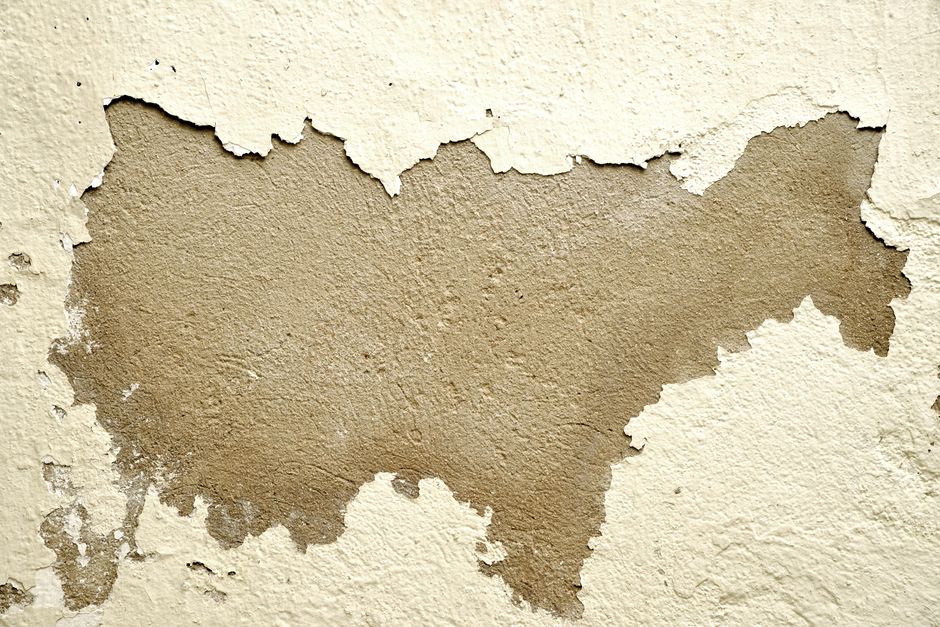
Housing Disrepair, Damp and Mould: Your Rights in Rushcliffe
Tenants and landlords in Rushcliffe are covered by the same statutory framework as the rest of England regarding housing disrepair and fitness for human habitation. This guide provides a practical overview of your rights under national legislation. Specifically tailored to address common issues like damp and mould that affect many residents. With recent changes to tenant protections through the Renters' Rights Act 2025 (Awaab's Law). It's important now more than ever for tenants in Rushcliffe to understand their legal standing regarding property maintenance.
The topic of housing disrepair has gained significant attention due to high-profile cases like Grenfell and Awaab's case, which led to the Renters' Rights Act 2025. These incidents have highlighted the importance of landlords maintaining safe and habitable living conditions for tenants. In Rushcliffe, as in other areas across England, ensuring that your home is free from disrepair and harmful substances like mould has become a priority.
What the Law Says
The Landlord and Tenant Act 1985 (Section 11) sets out the legal duties of landlords to maintain their properties. This includes repairing any structural damage or faults that could affect safety, health, or comfort. Additionally, the Homes (Fitness for Human Habitation) Act 2018 established broader standards for habitability, requiring all homes to be fit for human habitation from day one and throughout a tenancy.
The Renters' Rights Act 2025 further enhanced these protections by introducing Awaab's Law. This law specifically addresses the repair of disrepair issues that impact health and safety. Ensuring landlords take prompt action on serious defects. Tenants are now better equipped to hold their landlords accountable for necessary repairs, particularly in cases involving damp and mould.
How the Renters' Rights Act 2025 Changes This
The Renters' Rights Act 2025 introduced Awaab's Law, which mandates that landlords must address disrepair issues affecting health or safety within a reasonable timeframe. For damp and mould problems, this typically means responding promptly to complaints and taking corrective measures to ensure the property remains habitable.
Under the new law, tenants can escalate unresolved disrepair issues through official channels, including contacting local authorities. If your landlord fails to rectify damp and mould, you may have grounds to seek legal action or compensation for any damage caused by prolonged neglect.
What This Means for Tenants in Rushcliffe
Tenants in Rushcliffe are entitled to a property that's structurally sound and free from disrepair issues that affect health or safety. Landlords must address any structural defects such as leaks, subsidence, or faulty heating systems under the Landlord and Tenant Act 1985 (Section 11).
Awaab's Law under the Renters' Rights Act 2025 mandates a quicker response for damp and mould issues. Tenants may be entitled to have these problems resolved within 28 days of reporting them, depending on the severity and impact on health.
Your Next Steps if You Need Help in Rushcliffe
If you're experiencing disrepair issues in your home, start by documenting everything thoroughly. Keep a written record of all communications with your landlord about the problem and any evidence like photos or videos showing the state of the property. This documentation is important for building your case.
Firstly, contact your landlord directly to request repairs. If no action is taken within 28 days for damp and mould issues under Awaab's Law, you may need to escalate the matter further. Contact the Rushcliffe council's environmental health team or housing team, who can issue an improvement notice if necessary. Alternatively, seek free advice from Citizens Advice or Shelter.
Common Mistakes to Avoid
Tenants often fail to document their complaints and evidence carefully, which weakens their case for repairs. Always maintain a clear record of all communications with your landlord regarding disrepair issues. Landlords may also neglect their Section 11 obligations by ignoring minor but recurring problems that accumulate over time.
Both tenants and landlords sometimes underestimate the seriousness of damp and mould, leading to inadequate or delayed action. This can exacerbate health risks and legal liabilities for both parties.
When to Get Professional Advice
If your landlord continues to ignore serious disrepair issues despite your efforts, consider seeking professional advice from a regulated solicitor who specialises in housing law. They may be able to help you pursue formal complaints or legal actions against your landlord.
For less severe cases, free advice services like Citizens Advice or Shelter can often provide sufficient guidance and support without the need for costly legal representation. Always check directly with Rushcliffe council if you have specific questions about local policies or regulations.