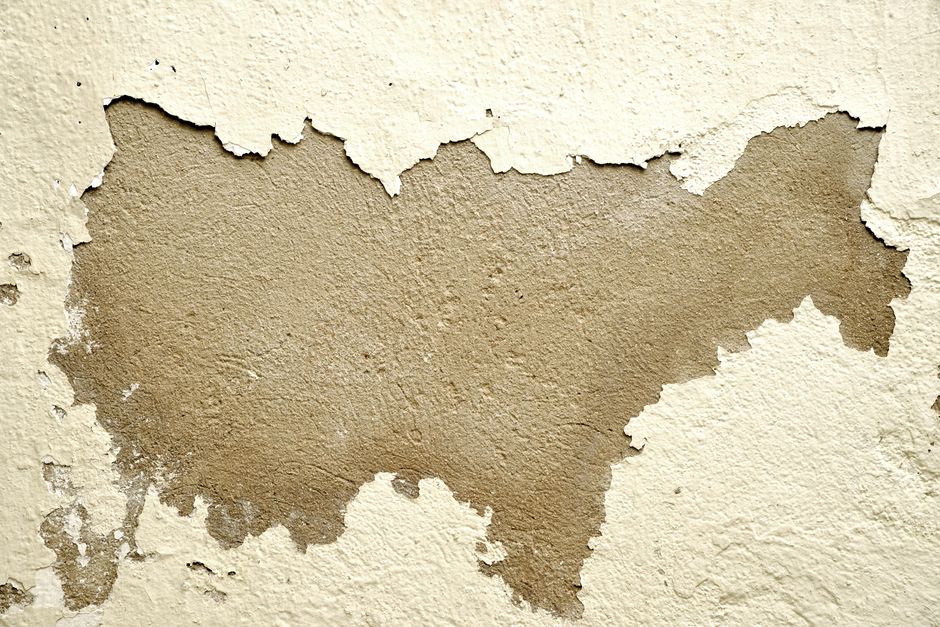
Housing Disrepair, Damp and Mould: Your Rights in South Norfolk
Tenants and landlords in South Norfolk are covered by the same statutory framework as the rest of England when it comes to housing disrepair. This includes obligations under the Landlord and Tenant Act 1985 (Section 11) and the Homes (Fitness for Human Habitation) Act 2018. In recent years, the Renters' Rights Act 2025 has also introduced significant changes, particularly Awaab's Law, which further protects tenants against disrepair issues such as damp and mould.
The topic is especially relevant in South Norfolk today because of a growing awareness about the impact of poor living conditions on health and well-being. With the introduction of Awaab's Law, tenants now have clearer rights to prompt action from their landlords when faced with disrepair issues that affect the fitness for human habitation of their homes.
What the Law Says
The Landlord and Tenant Act 1985 (Section 11) mandates that landlords must maintain rental properties in a state fit for habitation. This means repairing structural defects, ensuring proper drainage, and maintaining internal decorations to prevent dampness and other conditions detrimental to health. The Homes (Fitness for Human Habitation) Act 2018 extends these obligations by requiring homes to be structurally sound and free from hazards that could harm tenants' physical or mental well-being.
The Renters' Rights Act 2025, specifically Awaab's Law, imposes stricter deadlines on landlords to address disrepair issues. Under this law, private renters are entitled to expect their home will remain fit for human habitation throughout the tenancy and that any repairs will be completed within a reasonable timeframe once notified.
How the Renters' Rights Act 2025 Changes This
The Renters' Rights Act 2025 introduces new provisions designed to ensure faster resolution of disrepair issues. It mandates that landlords must repair dampness and mould problems within 30 days from when they receive a formal complaint, unless this timeframe is impractical due to the nature or location of the property.
Under Awaab's Law, tenants also have the right to request an inspection by South Norfolk's environmental health team if repairs aren't made on time. The Act aims to ensure that landlords take swift action to address issues impacting the fitness for human habitation of their properties, thereby protecting tenant safety and health.
What This Means for Tenants in South Norfolk
Tenants should be aware that under Section 11 of the Landlord and Tenant Act 1985, landlords are responsible for important repairs including structural work, plumbing, and electrical issues. Additionally, Awaab's Law stipulates that if damp or mould affects a tenant's health, it must be addressed within 30 days from when the landlord is notified.
South Norfolk tenants may also benefit from the council's housing team, which can provide guidance on resolving disrepair issues. Tenants in South Norfolk should familiarise themselves with their rights to prompt action under Awaab's Law and understand that landlords are legally obligated to address these concerns without undue delay.
Your Next Steps if You Need Help in South Norfolk
If you need assistance with a disrepair issue, start by contacting your landlord directly. Provide written notice of the problem and keep copies of all correspondence. If the matter isn't resolved within 30 days or if there are significant health risks involved, contact the environmental health team at South Norfolk council to seek an improvement notice.
Free advice is available from organisations such as Citizens Advice and Shelter, who can offer guidance on your legal rights and help you draft formal complaints. The South Norfolk council housing team may also be able to provide support in resolving disputes with landlords regarding disrepair issues.
Common Mistakes to Avoid
Tenants often overlook the importance of maintaining a paper trail when reporting disrepair issues. It's important to document all communications, including dates and times, as proof of when you reported the issue and any subsequent correspondence from your landlord. Landlords may mistakenly delay action on repairs beyond legal deadlines or fail to understand their obligations under Awaab's Law, so clarity in communication and documentation is key.
When to Get Professional Advice
If informal attempts at resolution don't work, tenants might need to seek advice from a solicitor regulated by the Solicitors Regulation Authority. However, for most cases involving disrepair issues within South Norfolk, free legal services or community organisations like Citizens Advice can provide sufficient guidance without incurring additional costs. Always check with a solicitor or Shelter to confirm your specific entitlements and options.
By understanding these rights and following proper procedures, tenants in South Norfolk can better deal with the challenges of housing disrepair and uphold their health and safety standards within their rented properties.