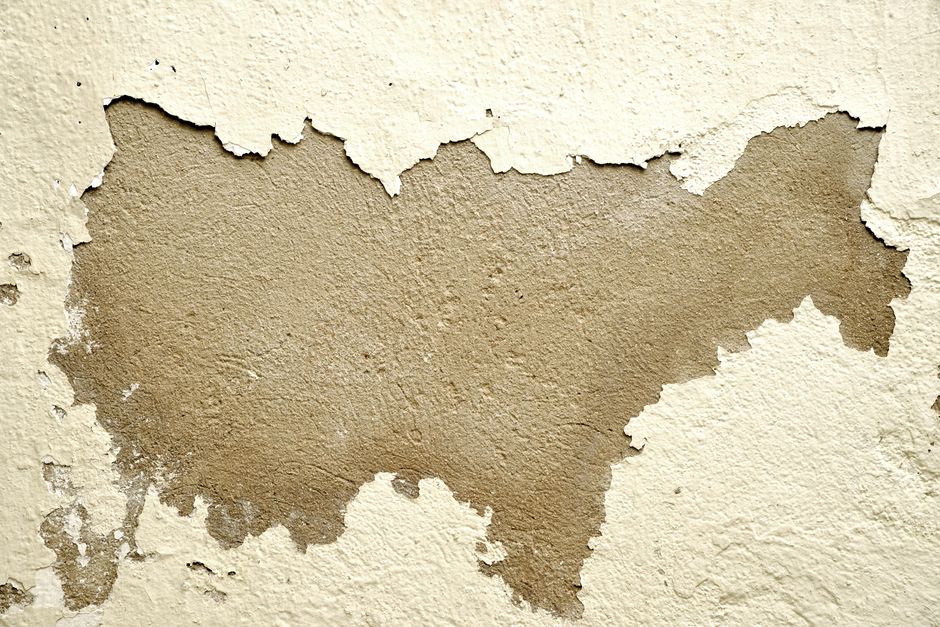
Housing Disrepair, Damp and Mould: Your Rights in South Oxfordshire
Tenants and landlords in South Oxfordshire are covered by the same statutory framework as the rest of England, ensuring fair and consistent protection against disrepair issues like damp and mould. This guide addresses how tenants can assert their rights under the Homes (Fitness for Human Habitation) Act 2018 and the Renters' Rights Act 2025 (Awaab's Law). These laws aim to ensure that rental properties meet certain minimum standards of habitability, particularly in relation to disrepair.
In recent years, issues like damp and mould have gained significant attention due to their health impacts and legal implications. The tragic case of Awaab Ishak highlighted the severe consequences of living in unsuitable conditions, prompting legislative changes that now provide tenants with more strong protections against landlord negligence. These new laws mean that South Oxfordshire residents can take action if their homes aren't up to standard.
What the Law Says
The legal framework for addressing disrepair issues is primarily governed by the Landlord and Tenant Act 1985 (Section 11) and the Homes (Fitness for Human Habitation) Act 2018. Under Section 11 of the 1985 Act, landlords are required to keep their properties in a reasonable state of repair and ensure that all amenities such as heating and hot water systems work properly.
The Homes (Fitness for Human Habitation) Act 2018 builds on this by setting out specific standards that rental properties must meet. These include provisions related to structure and stability. Internal cleanliness, hygiene, and the management of common parts in buildings with multiple units. The Act applies across England and ensures that tenants can take legal action if their home doesn't meet these fitness criteria.
How the Renters' Rights Act 2025 Changes This
The Renters' Rights Act 2025 (Awaab's Law) introduced significant changes to how private renters in South Oxfordshire are protected against disrepair issues. Under this legislation, landlords must address damp and mould problems within strict timeframes, typically ranging from two weeks to four weeks depending on the severity of the issue. The law also mandates that tenants can seek legal remedies if their landlord fails to act promptly.
Awaab's Law ensures that there's a clear pathway for tenants to pursue disrepair claims through the courts without needing to prove negligence or breach of contract, simplifying the process and making it more accessible. This means that when damp or mould issues are present, landlords must take action swiftly to prevent further health risks to their tenants.
What this Means for Tenants in South Oxfordshire
Tenants have clear legal rights under Awaab's Law regarding disrepair issues like damp and mould. Statutorily, landlords are responsible for repairing structural defects, faulty heating systems, plumbing leaks, electrical faults, and damage from pests or rodents. Additionally, the Act mandates that landlords must address damp and mould within specific timeframes to ensure tenants' health isn't compromised.
Tenants in South Oxfordshire may be entitled to a full refund of their rent if disrepair issues significantly affect their ability to live in the property. It's important for tenants to document all instances of disrepair, including photographs and written logs of complaints made to the landlord. Keeping thorough records can strengthen any subsequent legal claims.
Your Next Steps if You Need Help in South Oxfordshire
If you face disrepair issues in your rental home in South Oxfordshire, the first step is to contact your landlord directly and request repairs within a reasonable timeframe. If this doesn't resolve the issue, you should escalate it by writing to the environmental health team at the local council. They can inspect your property and serve an improvement notice if necessary.
Free advice services like Citizens Advice or Shelter offer valuable support for tenants facing disrepair issues. You may also contact South Oxfordshire's housing team directly for guidance on how to proceed with legal action against negligent landlords. These organisations provide resources and information tailored specifically to local tenant rights. Making them a reliable starting point for resolving disputes.
Common Mistakes to Avoid
- Failing to Document Issues: Tenants often overlook the importance of keeping detailed records when reporting disrepair issues. Without proper documentation, it may be difficult to prove your case should legal action become necessary.
- Not Seeking Legal Advice Early: Waiting too long before seeking professional advice can limit your options and weaken your position in negotiations or court proceedings.
- Ignoring Minor Issues: Small repairs left unaddressed can escalate into major problems that could affect your health and living conditions significantly.
When to Get Professional Advice
Consulting a regulated solicitor may be necessary if your disrepair issues persist despite multiple complaints to the landlord or local council. A solicitor can offer tailored legal advice on pursuing compensation claims and may represent you in court proceedings. However, for less complex cases involving minor repairs or disputes over maintenance obligations, free services such as Citizens Advice or Shelter typically provide sufficient guidance.
When seeking professional help, ensure that any solicitors or advisors are regulated and hold relevant qualifications to avoid potential scams or ineffective legal support. Always check with a solicitor or your chosen advice service before proceeding with formal actions to understand all available options thoroughly.