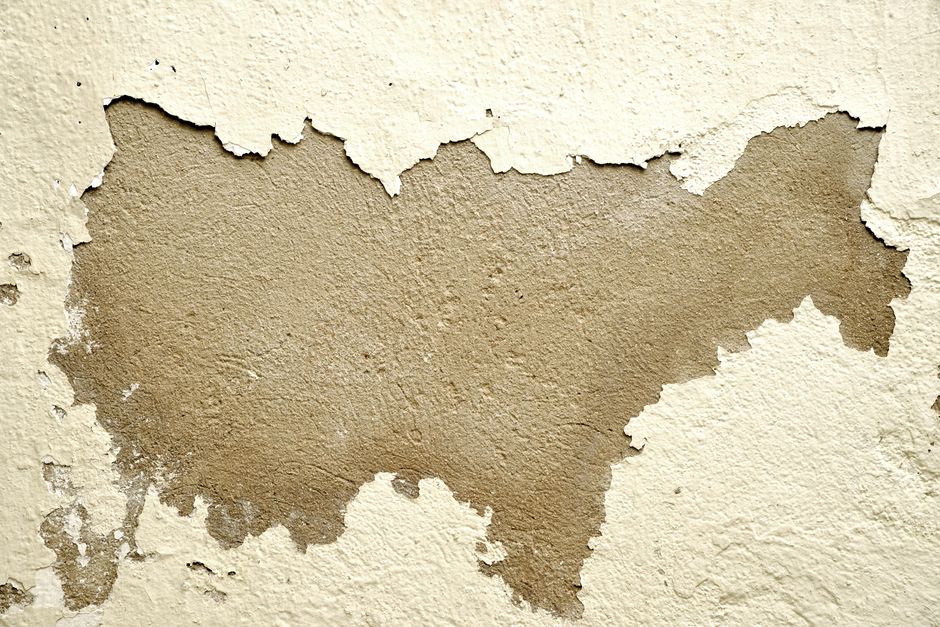
Housing Disrepair, Damp, and Mould: Your Rights in South Ribble
Tenants and landlords in South Ribble are covered by the same statutory framework as the rest of England. This guide covers your rights when dealing with disrepair issues such as damp and mould. It's designed for both private renters and social housing tenants who need to address these common problems.
Housing disrepair, especially damp and mould, has been a growing concern in recent years, exacerbated by climate change and inadequate maintenance practices. The tragic case of Awaab Ishak highlighted the severe consequences of living in substandard conditions, leading to new legislation aimed at improving housing standards. In 2026, tenants must be more vigilant than ever about their rights regarding disrepair.
What the Law Says
The Landlord and Tenant Act 1985 (Section 11) requires landlords to maintain rented properties in good repair and keep them reasonably fit for habitation. Additionally, the Homes (Fitness for Human Habitation) Act 2018 sets out specific standards that housing must meet to be considered habitable, covering issues such as structural condition, sanitation, space, water supply, heating, and clean air.
The Renters' Rights Act 2025, often referred to as Awaab's Law for private rentals, further reinforces these obligations. This act mandates that landlords take immediate action when tenants report disrepair issues, particularly those related to damp and mould, which can severely affect health and safety.
How the Renters' Rights Act 2025 Changes This
The Renters' Rights Act 2025 significantly strengthens existing legislation by introducing stricter timelines for addressing repairs. Under Awaab's Law, landlords must respond within five days of receiving a complaint about damp or mould and provide a timeline for remediation. Failure to comply can result in legal penalties and substantial fines.
This new law also requires landlords to conduct regular inspections of properties, especially those that have been identified as high-risk due to previous issues with damp or mould. These measures aim to ensure that all rented accommodation meets the minimum standards required by law.
What This Means for Tenants in South Ribble
Under statutory obligations, certain repairs are always the landlord's responsibility, such as fixing leaking pipes, repairing structural damage, and addressing heating faults. The Renters' Rights Act 2025 further clarifies that damp and mould issues must be addressed promptly to prevent health risks.
Tenants in South Ribble may be entitled to request a repair within five days of reporting an issue under Awaab's Law. If the landlord fails to act, tenants can seek assistance from the council or other legal avenues to enforce their rights. This ensures that properties remain safe and habitable for all residents.
Your Next Steps if You Need Help in South Ribble
If you encounter disrepair issues in your rental property, start by contacting the landlord directly via email or letter. Document all communications clearly and keep a record of any repairs requested and responses received.
South Ribble council's environmental health team can serve improvement notices on landlords who fail to address disrepair within legal deadlines. You may also contact Citizens Advice or Shelter for free advice and support.
the South Ribble housing team provides guidance on how to report disrepair issues formally and can intervene if informal resolutions don't work. Always gather evidence of the problem, such as photographs and witness statements, before taking further steps.
Common Mistakes to Avoid
- Not Reporting Issues Promptly: Delaying communication with your landlord or council about disrepair can weaken your legal position.
- Lack of Documentation: Failing to document communications and repair requests can make it difficult to prove that you followed the correct procedures.
- Ignoring Minor Problems: Small issues like cracks, peeling paint, or damp patches may escalate into serious problems if not addressed early.
- Overlooking Legal Advice: Relying solely on informal resolutions without seeking legal advice can leave you vulnerable if disputes arise.
When to Get Professional Advice
If your landlord refuses to address significant disrepair issues after multiple attempts, consulting a regulated solicitor might be necessary. However, for most cases, free services such as Citizens Advice or Shelter may provide adequate guidance and support.
To find a solicitor, check with the Law Society's website or ask South Ribble council for recommendations. Always ensure that any advice is tailored to your specific situation and consider checking with a solicitor before proceeding with legal action.