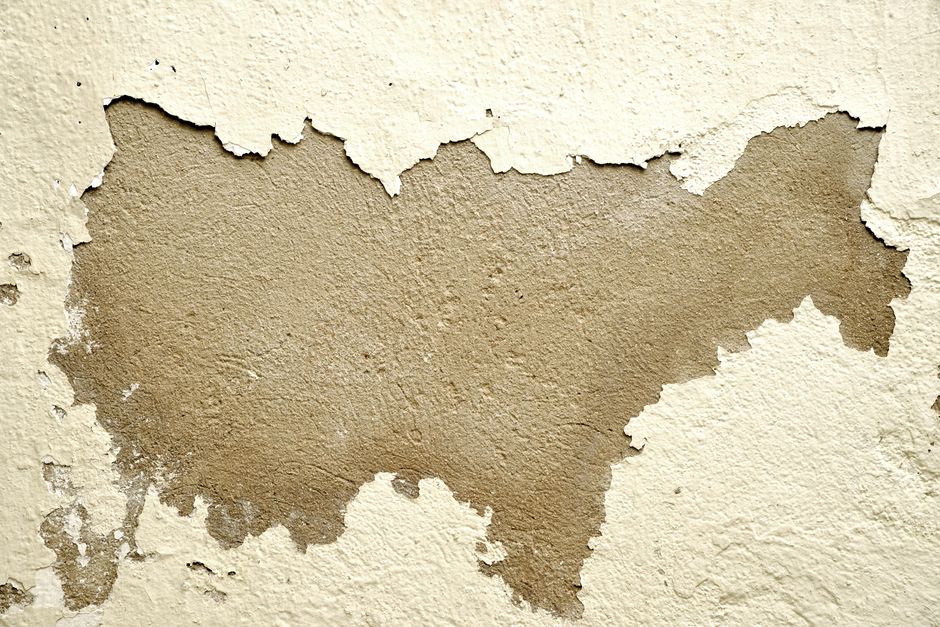
Housing Disrepair, Damp and Mould: Your Rights in Swindon
Tenants and landlords in Swindon are covered by the same statutory framework as the rest of England, ensuring that residents have clear guidelines for addressing issues like disrepair, damp, and mould. This guide is specifically designed to help tenants understand their rights when dealing with these common housing problems.
In 2026, the issue of housing disrepair has gained significant attention following high-profile cases such as the tragic death of Awaab Ishak in Bradford due to toxic levels of damp and mould. The national conversation around ensuring safe living conditions has led to stricter regulations under the Renters' Rights Act 2025 (Awaab's Law), which provides clearer guidelines for landlords on their responsibilities regarding repairs and disrepair issues.
What the Law Says
The core statutes governing housing disrepair in Swindon include the Landlord and Tenant Act 1985, specifically Section 11, and the Homes (Fitness for Human Habitation) Act 2018. These laws require landlords to keep their properties in good repair, free from hazards, and fit for human habitation. The Renters' Rights Act 2025 further enhances these responsibilities by setting out specific timeframes for addressing disrepair issues.
Section 11 of the Landlord and Tenant Act 1985 outlines that landlords must maintain the structure and exterior parts of a property, such as walls, roofs, drains, gutters, and external pipes. This includes ensuring that there are no damp or mould issues that could affect the health of tenants.
The Homes (Fitness for Human Habitation) Act 2018 extends these duties to all aspects of the property that contribute to its overall habitability, including cleanliness, internal structure, space, safety from hazards, and more. This act sets a higher standard by requiring properties to be fit for human habitation throughout their tenancy.
How the Renters' Rights Act 2025 Changes This
The Renters' Rights Act 2025 introduces new provisions aimed at improving living conditions in private rentals through Awaab's Law. Under this law, landlords are required to respond promptly to disrepair issues that affect a property's fitness for human habitation. The act mandates specific timeframes within which landlords must address damp and mould problems.
For instance, if tenants report damp or mould, the landlord is legally obligated to inspect the property within 7 days of receiving notice (Section 15(2) RRA 2025). If further action is required beyond inspection, such as hiring a contractor, the landlord must initiate repairs within 30 days. Failure to comply with these deadlines can result in penalties for the landlord and provide tenants with additional legal recourse.
What This Means for Tenants in Swindon
Under Awaab's Law, specific repairs are always the responsibility of landlords by statute. These include structural issues like cracked walls or damaged roof tiles that affect the safety and habitability of a property. Tenants may also hold landlords accountable if damp or mould levels pose health risks.
For damp and mould, tenants in Swindon must report these issues to their landlord promptly following the guidelines set out in Awaab's Law. The landlord has 7 days from receiving notice to conduct an inspection and up to 30 days to begin repairs. If problems persist beyond this timeframe, tenants may be entitled to take further action.
Your Next Steps if You Need Help in Swindon
If you need assistance with disrepair or damp issues, the first step is to contact your landlord directly via a written report. This document should clearly outline the issue and request a prompt response within legal deadlines. Keep copies of all correspondence as part of an evidence trail.
In addition to direct communication, tenants can seek advice from free services like Citizens Advice or Shelter. Both organisations provide full support on tenant rights and disrepair claims. Swindon council also has a dedicated housing team that can offer guidance and possibly intervene if landlords fail to address repairs adequately.
Common Mistakes to Avoid
- Failing to Document: Not keeping detailed records of reported issues and landlord responses can weaken your case in disputes.
- Ignoring Early Signs: Disregarding minor disrepair or early signs of damp can lead to more severe problems later, impacting health and habitability.
- Improper Reporting: Submitting vague complaints instead of specific details about disrepair can delay necessary repairs.
When to Get Professional Advice
Tenants may need professional advice when dealing with complex legal issues like multiple unresolved repair requests or disputes over the severity of a problem. Consulting a regulated solicitor specialising in housing law is advisable for these situations. As they can provide tailored guidance and representation. Alternatively, free services like Swindon council's housing team or local Shelter branches may be sufficient for initial advice and mediation. Always check with a solicitor or Shelter to ensure the best approach for your specific case.