Housing Disrepair, Damp, and Mould: Your Rights in Tunbridge Wells
Tenants and landlords in Tunbridge Wells are covered by the same statutory framework as other areas of England. This guide explains your rights regarding disrepair issues such as damp and mould under current laws like Awaab's Law (Renters' Rights Act 2025). As concerns about living conditions continue to rise, understanding these legal protections is more important than ever in 2026.
What the Law Says
The primary legislation covering repair responsibilities between tenants and landlords includes the Landlord and Tenant Act 1985 (Section 11), which mandates that a landlord must keep the structure and exterior of the property, as well as any common areas, in good repair. Additionally, the Homes (Fitness for Human Habitation) Act 2018 sets out requirements for a home to be fit to live in, addressing issues like damp, mould, and other disrepair problems that can affect health and safety.
Awaab's Law, introduced by the Renters' Rights Act 2025, further reinforces these obligations. It states that private rental properties must meet minimum standards of habitability at all times. This includes repairing structural elements and addressing any issues with damp and mould promptly to ensure a safe living environment for tenants.
How the Renters' Rights Act 2025 Changes This
The Renters' Rights Act 2025 introduces several key changes that enhance tenant protections, particularly in relation to disrepair. It mandates that landlords must address any issues with damp and mould within strict timeframes to prevent health risks. The act also requires landlords to provide a written statement detailing their obligations regarding repairs and maintenance.
the RRA 2025 helps tenants to take legal action if these responsibilities are neglected. Tenants may seek compensation for damages caused by disrepair or rent reductions during periods where the property is uninhabitable due to issues like damp and mould that weren't remedied in a timely manner.
What This Means for Tenants in Tunbridge Wells
Under statutory law, landlords are responsible for addressing any structural problems such as roof repairs, plumbing leaks, and electrical faults. Additionally, Awaab's Law under the Renters' Rights Act 2025 mandates that landlords must deal with damp and mould issues within a reasonable timeframe-typically within two weeks but can vary based on severity. For example, if visible mould is present, it should be treated as an urgent matter requiring immediate attention from your landlord.
If you encounter disrepair issues in Tunbridge Wells, it's important to document everything thoroughly, including dates of correspondence and photographs of the affected areas. This documentation will serve as evidence when communicating with your landlord or taking further steps if necessary.
Your Next Steps If You Need Help in Tunbridge Wells
The first step is to contact your landlord directly about any disrepair issues you encounter. Provide them with a written report detailing the problem, including photographs and dates of correspondence. Should this not resolve the issue, you can seek assistance from free advice services like Citizens Advice or Shelter. The local council's housing team in Tunbridge Wells also provides support by offering guidance on improvement notices and other legal remedies.
In cases where your landlord fails to address urgent repairs, consider speaking with a solicitor who specialises in tenant rights. They may help you draft formal complaints or assist in filing for compensation if necessary.
Common Mistakes to Avoid
Common errors include failing to document issues adequately and not following up on communications from the landlord regarding repair requests. Tenants also often overlook reporting disrepair officially through local authorities such as the Tunbridge Wells environmental health team, who can serve improvement notices to landlords if they neglect their responsibilities.
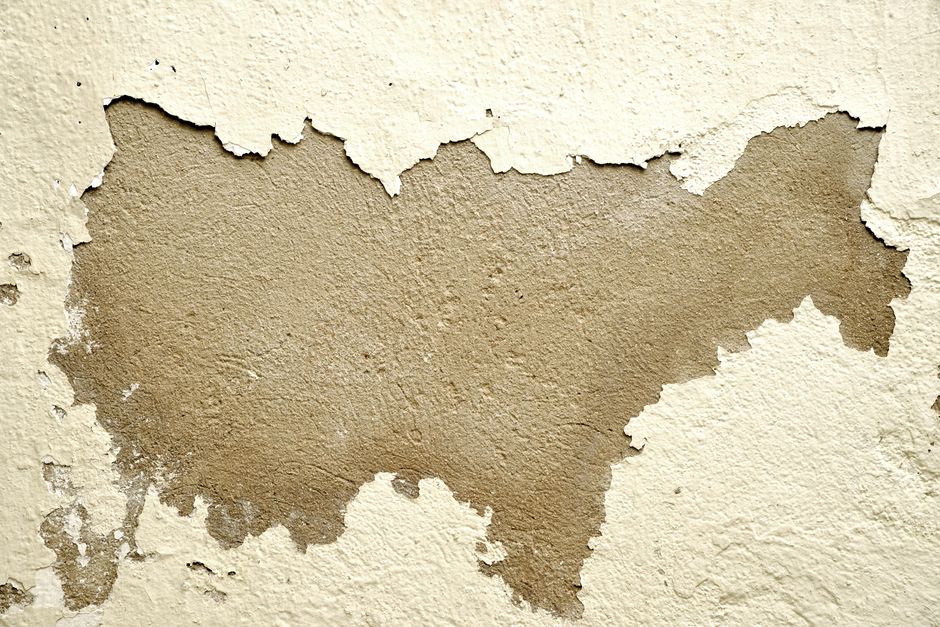
Landlords might mistakenly believe that minor repairs like peeling paint or small cracks in walls aren't urgent enough to address immediately. However, these issues can escalate into more serious problems over time and may affect your ability to claim compensation for damages under Awaab's Law.
When to Get Professional Advice
If you find yourself struggling with persistent disrepair issues that threaten your health or safety, consulting a regulated solicitor specialising in tenant rights is advisable. They can provide guidance tailored specifically to your situation based on current laws and precedents. Free advice services like those provided by Citizens Advice may also be sufficient for initial consultations regarding lesser disputes.
Remember, each case is unique; therefore, it's important to check directly with Tunbridge Wells council or consult a solicitor before taking legal action to ensure you understand all available options and potential outcomes.