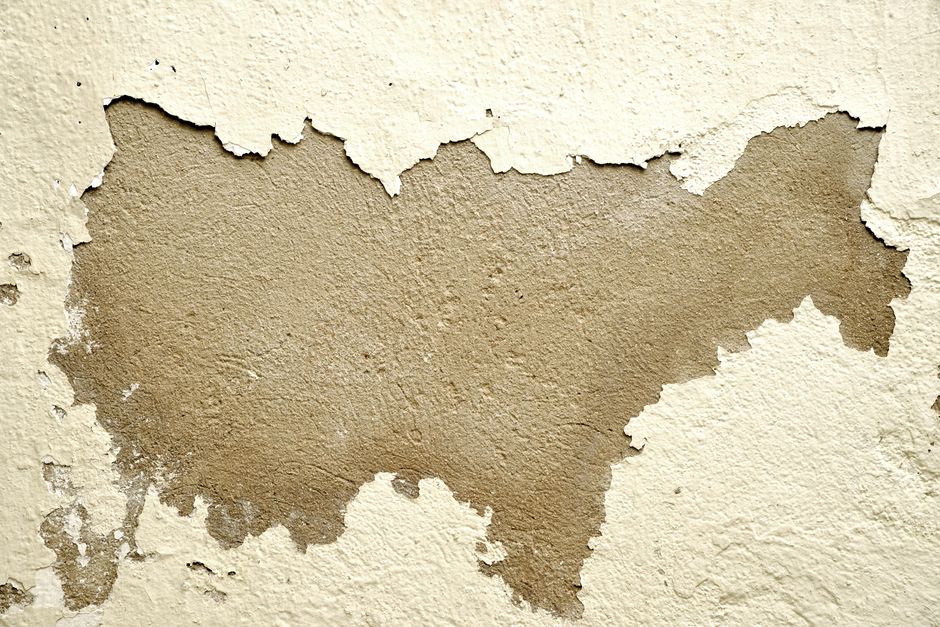
Housing Disrepair, Damp and Mould: Your Rights in Woking
Tenants and landlords in Woking are covered by the same statutory framework as the rest of England. This guide covers your rights concerning disrepair, damp, and mould issues under national laws. The topic is particularly relevant right now due to recent changes introduced by the Renters' Rights Act 2025 (Awaab's Law) which strengthen protections for private renters regarding their property's fitness for human habitation.
Housing conditions that affect health and safety are a pressing concern. Especially in areas like Woking where rapid development can sometimes outpace maintenance needs. Issues such as damp and mould not only reduce living quality but also pose serious health risks to occupants. The law now provides clearer guidelines and faster remedies for tenants facing these problems. Ensuring landlords take swift action when needed.
What the Law Says
The legal framework for housing disrepair is established by the Landlord and Tenant Act 1985 (Section 11), which sets out a landlord's responsibilities to maintain their property. This includes repairs that aren't due to tenant negligence or wear and tear, such as structural issues and plumbing problems.
the Homes (Fitness for Human Habitation) Act 2018 ensures that rental properties meet basic standards of safety and habitability. The Act covers conditions like dampness, cleanliness, heating, ventilation, sanitation, water supply, internal structure, and drainage. Any defects must be addressed to ensure tenants aren't living in substandard conditions.
The Renters' Rights Act 2025 (Awaab's Law) further reinforces these rights by providing clearer timelines for landlords to rectify issues related to damp and mould, among other improvements. Landlords may face legal consequences if they fail to comply with statutory obligations under this act.
How the Renters' Rights Act 2025 Changes This
The Renters' Rights Act 2025 introduces specific changes that affect disrepair claims, particularly concerning damp and mould. Under Awaab's Law, landlords must address these issues within a reasonable timeframe after being notified by tenants. The act specifies that landlords have up to three weeks from the date of notification to start remedial action.
the RRA 2025 clarifies that landlords are responsible for identifying the source and cause of dampness or mould before addressing it properly. This ensures that temporary fixes aren't sufficient; landlords must take steps to prevent future occurrences by resolving underlying problems such as leaking roofs or faulty plumbing.
These changes aim to provide tenants with a more effective means of ensuring their homes remain fit for human habitation, thereby enhancing the overall quality of life and protecting public health.
What This Means for Tenants in Woking
Tenants in Woking are entitled to have repairs made that are within the landlord's responsibility under statute. These include structural work, plumbing issues, heating faults, and electrical problems. Landlords must address these issues promptly after being informed by the tenant.
Awaab's Law stipulates specific deadlines for addressing damp and mould issues, which typically require landlords to begin rectification efforts within three weeks of notification. This ensures that tenants don't suffer long-term health effects from living in unsuitable conditions.
Tenants should document any disrepair issues they notice and report them promptly to the landlord via written correspondence. Keeping a record of all communications is important for demonstrating compliance with legal requirements and protecting your rights if disputes arise later on.
Your Next Steps If You Need Help in Woking
If you need assistance regarding housing disrepair or damp and mould issues, start by contacting your landlord directly. Send them a formal letter detailing the problem and requesting immediate action. Keep copies of all correspondence for future reference.
Should your landlord not respond adequately, reach out to local advice services like Citizens Advice or Shelter. Both organisations offer free legal guidance tailored specifically to tenant rights in England.
you can contact Woking's housing team directly to seek further support or file a complaint if necessary. The council's environmental health department may also issue improvement notices compelling landlords to make important repairs if they fail to act voluntarily.
Common Mistakes to Avoid
- Underreporting Issues: Failing to document and report all disrepair issues promptly can weaken your case later on.
- Neglecting Written Documentation: Relying solely on verbal communications with your landlord can complicate dispute resolution processes if there's no written record of the problem or requests for repairs.
- Ignoring Time Limits: Missing deadlines set by statutes like Awaab's Law can limit your legal recourse, so it's important to act within specified timeframes.
- Not Seeking Professional Advice Early Enough: Waiting too long before seeking help from solicitors or advice services may affect the effectiveness of any legal action you might need to take.
When to Get Professional Advice
Consulting a regulated solicitor can be beneficial if your landlord continually ignores disrepair issues despite repeated requests and documentation. Legal professionals specialising in tenant rights can offer tailored advice based on your specific circumstances, ensuring that you follow all necessary steps correctly.
Free services such as Citizens Advice or Shelter are typically sufficient for initial guidance and dealing with basic disputes without the need to hire a solicitor outright. However, if the situation escalates or becomes more complex, seeking legal representation may become important to protect your rights effectively.
To find reliable professionals, check with organisations like Law Society or visit websites dedicated to tenant support in Woking. Always ensure that any advice you receive is from reputable sources and tailored specifically to your unique case.